Showing posts with label exercise. Show all posts

Thursday, August 22, 2013

Make Our Food Work For Us

by guest blogger Jody Perrecone

Earlier this month, I attended Veggie Fest in Naperville, Illinois.  Not just for vegetarians, this festival drew over 25,000 people, had food demonstrations, dozens of speakers, and over 100 booths.

One of the speakers was Sara Sukumar, PhD, Professor of Oncology and Pathology and Director of the Breast Cancer Program at Johns Hopkins University. She spoke on anti-cancer properties in specific foods.  Here is her list:

Thursday, February 14, 2013

Fit Quickies - Quick & Easy Workouts In Just 5 Minutes Or Less

If you're like most people then you're short on time and long on "to do" lists. Work, kids, projects, chores, grocery shopping, errands, cleaning, laundry, and gym time. There never seems to be enough time to fit in everything you need in one day. Trips to the gym... eh, maybe tomorrow. Been there, done that.

But what if you could fit working out in between loads of laundry or trips to the store? What if you could squeeze in a great workout over 5 or 10 minutes of your lunch break? Sound to good to be true? Well, it isn't. The Plant-Based Fitness Expert has come to the rescue! Lani Muelrath, better known as The Plant-Based Fitness Expert, has designed a series of 14 super easy, incredibly convenient workout routines you could do anywhere, anytime!

Wednesday, October 3, 2012

Lessons From A Pharmacist - I Get A Big, Fat Paycheck While You Stay Sick


Hi. My name is Dustin Rudolph. I've been a practicing pharmacist for over 10 years now, and I'm here to tell you something you may not like hearing. I get a BIG, FAT paycheck every two weeks while YOU (or at least the vast majority of you) stay sick. To put it bluntly, I get rich off of your misery.

Why does this happen? It happens because I, along with the rest of my colleagues in the medical field, practice profit-based medicine. We put profits before patients.

If this makes you angry then good. If this disappoints you then good. If you're a fellow colleague of mine and me calling it like it is pisses you off then good. Quite frankly, I don't give a damn how it makes you feel as long as it makes you feel something. That way I know I've fulfilled my purpose in writing this article because maybe, just maybe, you'll do something about those feelings which will positively influence how you live your life from this point forward.

Wednesday, August 15, 2012

Strength Training For Triathlon

by guest blogger Lincoln Davis


Strength Training for Triathlon

Strength training in endurance sports like triathlon is one favorite topic of debate. In the ideal world, the top athletes incorporate some strength workout that includes weight lifting into their training. However, in practice, everyday people who are not after award plaques find that including some form of weight lifting to an already full schedule of biking, swimming and running more of an exception than a rule. Is it really necessary? Will you benefit from it?

Misconceptions

One common misconception is that strength training is just ‘all show, but no go.’ It can look great on a man’s body form, but it does not contribute to performance on endurance races. It takes more effort to move especially in running and biking, and is just considered a waste of energy and training time. Women who race also have a misconception that weight lifting can lead to a bulky figure. It is for this reason many women do not even attempt to do any necessary weight training for a race.  

Wednesday, August 1, 2012

Gardening As A Natural Stress Reliever

by guest blogger Mark Carol


Work, family, bills, and other obligations and responsibilities can make stress a part of your daily life. Stress can help you get motivated, but too much stress can increase your risk for illnesses such as stroke, heart attack, and high blood pressure. Natural stress reducing activities, like gardening, can be an ideal solution to finding a peaceful balance in your life.

The Benefits


Gardening has been shown to have many health benefits. In fact, the activity is recommended by the JAMA, or the Journal of the American Medical Association, to lower the risk of developing Alzheimer's disease by nearly fifty percent. According to Capital District Community Gardens, tending a garden alleviates stress by immersing you in nature. Gardening requires dedication, care and patience to be successful. When tending your flowers, fruits and vegetables, you are spending time on something that redirects for attention away from daily stress. Gardening also provides you with real results that you can share with family, friends and neighbors.

Tuesday, June 12, 2012

Calcium In Broccoli — Really?

by guest blogger Jody Perrecone


We have all heard the slogan – “Milk – it does the body good.”  But does it? A 12 year Harvard Study showed women who drank 3 glasses of milk a day had more bone fractures than those who drank very little milk. The National Dairy Council website, www.nationaldairycouncil.org, states “the 2010 Dietary Guidelines for Americans recognizes that moderate evidence shows that milk and milk products are linked to improved bone health.”  Moderate evidence?  A government report published in the journal, Pediatricsconcluded dairy products were “not necessarily the best way” to provide needed calcium. Because the body becomes more acidic when dairy products are consumed, it pulls calcium from the bones to neutralize the acid. Also hormones given to cows are found in its milk.
So what are good sources of calcium?  Surprisingly  broccoli, collard greens, kale, bok choy, Brussel sprouts, beans, legumes, figs, nuts, seeds, and fortified orange juice are better absorbed by the body than milk and other dairy products.  They also have a bonus of providing fiber and a variety of vitamins and minerals including vitamin K, folate, iron, and antioxidants.  Bone health can also be improved by not smoking, consuming less sodium, getting 15 minutes of sunlight a day, and exercise.


Tuesday, June 5, 2012

Balancing The Vegan And Athlete In You

by guest blogger Holly VicHammond


Contrary to popular belief, it is possible to commit to a vegan lifestyle and also be an athlete. Most of the sports world subscribes to eating a substantial amount of protein as part of a training diet. Protein ensures peak physical condition, muscular repair after workouts and success in a given fitness-related endeavor. Though vegan meals might take a little more planning, it is possible to be a successful athlete who does not consume any animal products. Plant-based eaters simply have to rely on a bit more strategy. 
Whether an athlete chooses to be a vegan for personal, ethical or religious reasons, they will need to pay special attention to ensure they’re consuming the proper nutrients to fuel their workouts. Many successful athletes and famed fitness trainers, such as distance runner Scott Jurek, television fitness trainer Bob Harper, bodybuilder Mike Mahler and football player Ricky Williams, choose to live a vegan lifestyle. Clearly it is possible for athletes to eat vegan, thrive and achieve great success in their chosen sport.

Thursday, March 15, 2012

Five Ways to Get More Out of Your Workout

Maintaining a commitment to fitness has limitless benefits. Unfortunately, when you aren't seeing results it can be pretty hard to keep up with your routine. Follow these tips to help amplify your workouts and start seeing more drastic results.

Protein Rich Diet
Just because you may have an aversion to meat doesn’t mean you can’t get plenty of protein in your diet. Protein works as fuel for your muscles and keeps your body going at full speed. Nuts and beans are a great way to get lean protein worked into your diet. Adding more protein and reducing your carbs will allow your body to get the energy it needs to shape long, lean muscles. Throw them into your diet as a snack before and after lunch.

Water and Oxygen
Staying hydrated keeps your muscles energetic. If you pass on drinking water, then you'll quickly feel weak, light headed and even downright cranky. Not only is this bad for you, it is not conducive to a good workout. Plenty of oxygen is also important. Many people hold their breath when lifting a heavy weight. This is the worst thing you can do. Your blood needs plenty of oxygen to keep the muscles fueled. Taking a deep breath in and out with each repetition is necessary.

Monday, March 5, 2012

Exercising With Your Dog

by guest blogger Rob Toledo

We hear it pretty much every day. You want to be fit? You need to exercise. You want to lose weight? You’re going to have to exercise. Want to be in a good mood? The key to that is exercise. And yet it seems like we’re still never getting enough exercise. How much is enough? It’s not as bad as you might think. Studies have found that as little as 20 minutes of physical exercise a week can have a profound impact on keeping us mentally healthy and happy. What’s more, if you can manage to work in those 20 minutes of exercise every day, you’ll see a marked improvement in your physical well-being as well. 

But what about motivation? We all know working out on your own can be tough, especially during the winter months where you just don’t want to get out of bed. However, if you’re a dog owner, or thinking about adopting one, it means you have access to one of the best workout partners in existence.


Wednesday, December 21, 2011

Crossfit Training and Workout Program

by guest blogger Cyndi Laurenti

What is Crossfit?

It has been used by police and fire departments, gymnasts, and workout enthusiasts around the world, but Crossfit remains a mystery to many who casually work out day to day. To clarify, Crossfit is a combination workout bringing together elements from weight lifting, gymnastics, and more. The workout originated with Greg Glassman, the founder of the Crossfit movement, which evolved from his work in coaching and training police officers in the early nineties. It has developed a strong following and continues to be the preferred workout for many.

The Crossfit Workout

The Crossfit workout is scalable and can be adapted to beginning athletes or body building professionals. Even people looking for an escape from their day jobs or taking college classes online can benefit from the unique workout. A unique element of Crossfit is that the workout varies according to the Workout of the Day, or WOD. A WOD is posted each day on the Crossfit web site. Crossfit athletes also have the option of joining a local affiliate group and following the daily workouts there.

A typical WOD consists of a combination of exercises like squats, lifts, gymnastics and walking. Workouts are alternated with rest days. A typical Crossfit rotation may consist of three days of workouts followed by one day of rest.

The simple equipment required and strong internet community involvement has lent to the program’s popularity and ease of access. Even those who do not want to join a formal program can find sample workouts on popular video sharing web sites, as well as a multitude of blogs and forums dedicated to Crossfit.

Wednesday, August 17, 2011

Powered By Plants: Interview With No Meat Athlete And Runner Matt Frazier


Running... for some it's part of their normal workout routine; for others it makes them cringe at the very thought of it.  For Matt Frazier it's become entrenched into his heart and soul.  Running is not just something he does to get some regular exercise but instead something that's turned into a unique passion of fueling his desire to make a positive impact on the world around him.

He never used to feel this way about running though.  In fact, in high school and the beginning of college he hated running and only did so if required as part of fitness program.  But that all changed one day when he became infatuated with the idea of being able to actually run AND finish an entire marathon.

He's come a long way since then and his journey has inspired tens of thousands of people along the way.  Today you won't find Matt running only marathons but competing in ultramarathons of 50 miles or more!  Now that's a feat that very few people in this world can attest to.  What's even more incredible is that Matt accomplishes all this without ever eating a single bite of meat.  That's right, he doesn't even eat lean meats such as chicken or fish that many would consider a necessity to do what he does.  Instead he's powered predominantly by plants.

Matt's running times actually improved as an endurance runner when he stopped eating meat and became vegetarian in 2009.  After being laid up with an injury for some time he decided to cut out meat from his diet before getting back into running.  The first time he returned from his injury he ran a 12 mile run faster than he'd ever run before.  He shaved 30 seconds per mile off his total time during that run!  He attributed his improvement to his new "no meat" diet and has never looked back since.

It wasn't long after that when he started his own blog, No Meat Athlete, to share his story with others.  He's become an inspiration to athletes of all kinds as well as non-athletes looking to improve their overall health and fitness.  I was fortunate enough to be able to interview Matt and will share more of his story below.  I hope you find it as uplifting and motivating as I did and I encourage you to check out his website after reading his interview for more fantastic material!

Interview with Matt Frazier

You've been a long distance runner for several years now. How many marathons and ultramarathons have you run so far? How long do you see yourself being a long distance runner in the years to come?

So far, I've run 8 marathons and 5 ultras, with 3 of the ultras being 50K's, and 2 of them being 50-milers. It's funny though, to answer this I actually had to stop and count up the number of marathons I had done. Not because it's so many, but because after I got into ultrarunning, where sometimes you'll do a marathon or 30 miles just as a training run, I sort of stopped counting.  
I don't really have any plans of stopping as a distance runner.  You see all these 60 or 70 year-olds running marathons and ultras, and I think people are finally starting to reject the "running is inherently bad for your body" idea. Two runners this year finished the Badwater Ultramarathon (the 135-mile run through the 120-plus degrees temperatures in Death Valley at age 69!)

What do you do besides running to train for events? Strength training, yoga, swimming, etc.?

I do a little bit of core work and flexibility training, but other than that I don't really do any cross-training. I like lifting weights, mainly deadlifts, to build up leg strength, but I usually only do that before I officially start a training program.  It's not that I think it's harmful, but when I ran my fastest marathon, all the workouts I did were running workouts, and since that worked, I've stayed with it.

Take us through a typical day with your "No Meat" diet. Is it different the last few days before a big race?


There are two things I try to have every day, and they're a smoothie and a salad. I find that if I just keep those two things in place, it's really easy to stay on track the rest of the day.  For example, after you drink a healthy smoothie from almost all raw foods in the morning, you don't feel like downing 3 cups of coffee.  Same with salad; you don't feel like eating a bunch of junk before dinner if you're feeling good from having a salad in the afternoon.
I like cooking, so most nights I make a nice dinner; a lot of times it's a new pasta recipe or maybe an Indian dish.  And that whatever I make for dinner is also lunch the next day.  A lot of people ask me what you eat for lunch as a vegetarian, because it seems like there aren't a lot of substantial lunch options that you can put together quickly.  But if you just make it leftovers, it solves that problem pretty nicely.
And as for snacks throughout the day, I mix it up.  Fresh fruit, vegetables or whole wheat pita with hummus, almonds or almond butter, and even stuff like chips and salsa or guacamole, which certainly isn't "health food" but isn't too bad either.


I've heard others say that being an athlete who is at the top of their game can only be done with a protein rich diet and successful athletes like Carl Lewis, Prince Fielder, or Tony Gonzalez who eat all that "rabbit food" instead of meat are the rare exception to the rule. What are your thoughts about this?


If that's the case, then there are enough exceptions that I don't think you can really consider them exceptions anymore.  There are some absolute elites in their sports who are vegetarian and vegan.  So it's not like "1 guy out of 1000 who do this sport is vegetarian," it's "1 of the top 10 guys or girls at this sport is vegetarian."  For example, all the people you mentioned are stars in their sports.  And then there are probably a lot of lesser known ones who you just don't hear about.

I'm not saying their diet is the reason they're stars.  I honestly don't even know if a plant-based diet is an advantage at the elite level.  But they're proof that at the very least it works.  I know that for me, it's just made it easier to avoid fast food and lots of other junk that you don't even realize you're putting in your body, even when you feel like you're eating healthy.  So my health has improved a lot since I went vegetarian, and with that my marathon time went way down.

If you had to pick one person who has had the biggest impact on your life so far to get to where you're at today with being a vegetarian athlete who would that be and why?


You'll probably laugh at this one, but it's the truth.  It's Tony Robbins, who isn't really an athlete and not even a vegetarian, but a motivator and peak performance expert.  If I can point to one moment in my life where I started to question all the supposed rules about how you're supposed to eat and live and what to expect from your life, it's when I went to a 4-day seminar of his.  Within two or three days of getting home, I decided to go vegetarian, start No Meat Athlete, and qualify for the Boston Marathon.

What inspires you to continue sharing your story on NoMeatAthlete.com?  I mean it is, after all, a lot of work to keep up with training, your Ph.D. goals, and everything else life throws at you.

I do it because I'm completely addicted to the feeling of putting your ideas into words, hitting the "Publish" button, and then seeing how it affects people.  And when it changes someone, like really resonates with them and gets them to start eating right or to start running or to sign up for a race they've been scared of, that's what it's all about for me.
I'm also extremely driven by the idea of being an entrepreneur and running a business that's fulfilling and meaningful and creates positive change in the world.  No Meat Athlete still has a lot of room to grow, but getting a taste of that (and recently being able to make it my full-time job) has been so motivating to me.  Sure, there are times when it feels like work, but when I go to bed at night, I can't wait until it's morning so that I can get back to work on it.

What's the one Superfood you can't live without?

Almond butter.  I put it in smoothies, on bagels, on celery, and I even eat it off a spoon sometimes.

Thank you so much Matt for sharing your personal story and insights on being an athlete who's truly focused on living a healthy and vibrant life.  Your story is an inspiration to many!


Visit Matt's website - No Meat Athlete


If you like what you see here then you'll LOVE our daily Facebook and Twitter posts!  Also, don't forget to sign up for  Our Free Online Mailing List  to get all the latest updates from the Plant-Based Pharmacist!
by Dustin Rudolph, PharmD
Clinical Pharmacist

Check out Dustin Rudolph's book The Empty Medicine Cabinet to start your journey towards better health. This step-by-step guide leads you through many of today's common chronic diseases (heart disease, obesity, diabetes, cancer, and more), giving you the facts on foods versus medications in treating these medical conditions. The book also contains an easy-to-follow guide on how to adopt a whole foods, plant-based diet as a part of an overall lifestyle change, producing the best possible health outcomes for you and your family. Hurry and get your copy today!

We'd love for you to join us in spreading the good word about plant-based nutrition and lifestyle medicine by telling your family and friends about our website at www.PlantBasedPharmacist.com. 

Share and rate this post below or tell us what you think by posting a comment. Thank you again for stopping by and until next time... be happy, be healthy, and live the life you've always dreamed of!

Wednesday, July 20, 2011

P90x - The Ultimate Body Workout


If you're looking for a new workout challenge or just want to get into better overall shape then look no further - P90x does just that!  This program will transform your body over a 90 day period and leave you feeling great and full of energy.

What Is P90x?

P90x is a home fitness program coupled with a nutritional program to help get you into phenomenal shape in just 13 weeks.  Before you start the program it's always best to seek a thorough strength, balance, and flexibility assessment from a qualified professional  so you can avoid any unwanted injuries.  Once you're cleared let the good times begin!

Fitness Program

The workouts are approximately 45-60 minutes long and you do them 6 days per week.  Three days a week you add in 15 minutes of abdominal exercises after you workout which really helps transform your stomach into that 6 pack that you always wanted.

There are various workout regimens that you'll rotate between so you can rest assured that you won't get bored.  You'll go between the following as you work your way through the program:

1)  Strength/Resistance Training
2)  Cardio
3)  Yoga
4)  Plyometrics - "Jump training"
5)  Stretching
6)  Abdominal exercises
7)  Martial Arts

Wednesday, June 22, 2011

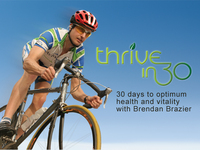
Thrive In 30 Program - Brendan Brazier


Ever wish you could find yourself waking up every morning feeling like a world class athlete?  Where every part of your body just oozes with an abundance of energy, health, and vitality.  A lifestyle where you jump out of bed ready to take on the world.  Sounds like everyone's perfect way of living right?

Well, if this is your goal then you're in luck because anyone can achieve this lifestyle no matter who you are.  Brendan Brazier, a world class athlete, has launched an amazing program called Thrive In 30 that is bound to send you down this very path.

So what is Thrive In 30 all about?  Let's take a look...

Wednesday, March 30, 2011

Type 2 Diabetes - The Cause and The Cure


It's the disease that's becoming more and more prevalent among westernized cultures.  Diabetes, along with the obesity epidemic that's fueling it, is growing rampant and the numbers behind the illness are almost too large to wrap your mind around.  According to the American Diabetes Association (ADA) 25.8 million people have diabetes in the United States.  That's approximately 8.3% of the population.  But that's not the disturbing part.  The real kicker is another 79 million people in the U.S. are at risk for developing diabetes and are classified as having prediabetes.

The ADA goes on to report that the total cost of treating both diabetes and prediabetes in the U.S. in 2007 was a whopping $218 billion dollars!  That's more than the $171 billion dollars that the Department of Defense reportedly spent on BOTH the wars in Iraq and Afghanistan in 2010.  And it's almost double the $129.8 billion that the U.S. federal government budgeted for education in 2011.

But it's not the financial burden of diabetes that hurts the worst.  If you're one of the people who suffers from this chronic disease then you're probably all too familiar with the fact that diabetes can lead to further serious medical conditions including high blood pressure, heart disease, kidney failure, blindness, hearing loss, peripheral neuropathy, skin infections and skin ulcers, impotence, depression, peripheral arterial disease, strokes, limb amputations, and even death.  And with a list this long it goes without saying that we must do something to turn things around.  So what do we do?

First, we need to understand the disease better.  Second, we need to adopt the approaches that have been proven by science to be the most effective, safest, and least costly ways to beat this disease.  So what do you say... why don't we take an in depth look at both of these.

Wednesday, February 23, 2011

5 Exercises That Are Easy On Your Joints


Exercise!  There's that word again.  The one that many of us would like to throw under the rug and forget about every time it comes up.  This is especially true if you have joint issues.  The Arthritis Foundation has recently reported that 46 million Americans experience some sort of joint condition.  That's nearly 1/6 of the U.S. population!

Maybe you've suffered a previous injury to a particular joint or maybe you have arthritis or your joints constantly ache.  Or perhaps you shy away from exercising because you don't want to do anything that's going to take a toll on your joints in the long run.  Whatever the case may be you can improve your joint health and overall well-being for that matter by participating in some form of low impact exercises.

Here are 5 forms of exercise that provide excellent options for those trying to stay fit with rickety joints:

1)  Walking


  • Walking is a great form of a light cardio workout that's easy on the joints.  It gets the blood flowing which improves oxygenation and this helps you think clearer and feel more energetic.
  • Try to reach for a goal of walking 30 minutes a day or 3 hours a week.  If you can't do this then start off with a smaller increment of 10 or 15 minutes and work your way up.
  • Check out new trails in your neighborhood or local parks or beaches.  Some sunshine, fresh air, and new scenery are always great ways to boost your spirits and leave you with a smile once you've finished your walk.
2)  Swimming


  • Swimming is a very low impact form of exercise and provides a great workout.  You can typically burn in excess of 500 calories per hour by swimming.
  • Another great way to get in shape in the water is to join a water aerobics class.  Water aerobics will help you with your cardiovascular fitness as well as strength, flexibility, and balance.
  • Swimming is a great way to stay cool in the summer and nothing beats a good workout on a hot summer day without the feeling of being drenched in sweat.
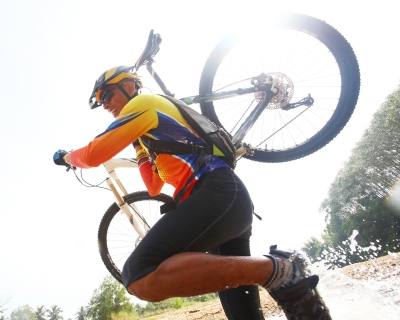
3)  Cycling


  • Taking a bike ride is a fantastic way to break up your day and keep it easy on the joints.  Many neighborhoods have bike paths or trails that you can ride on to avoid traffic congestion on the roads.
  • Bicycling is a great cardio workout but also works out your entire body especially the lower body.  Your legs, hips, and glutes will gain muscle tone while your waist sheds a few sizes if you cycle on a regular basis.
  • Cycling can be a fun social outing as well that you can enjoy in the company of friends and family.
4)  Stretching Exercises


  • There are a variety of stretching exercises that can benefit your joint health.  These include yoga, pilates, and other various stretching exercises.
  • Pilates is a great way to work your core muscles and increase your joint flexibility along the way.  It's best to start with a low intensity workout first if you haven't tried pilates before.
  • Yoga includes a multitude of different body poses that really give your entire body a good stretch. A beginners course is easy on the joints and will soon lead to increased flexibility and strength for both your muscles and joints.  And it's a great stress reliever too!
5)  Tai Chi


  • Tai Chi is a Chinese martial art that is not as popular in western cultures but serves as an excellent form of exercise to relieve joint pain.
  • Tai Chi involves a number of slow, low impact movements that work on your range of motion, stretching, and flexibility while improving your muscle and ligament strength and endurance.
  • Tai Chi is also a wonderful stress reliever as it focuses on a calmness throughout the workout.
So there you have it!  Five easy ways to give your health a boost while remaining easy on your joints.  Don't forget to check with your physician before starting any new exercise routine to ensure that it is safe to do so with any specific medical conditions that you may have.

Have fun and enjoy your workout!


If you like what you see here then you'll LOVE our daily Facebook and Twitter posts!  Also, don't forget to sign up for  Our Free Online Mailing List  to get all the latest updates from the Plant-Based Pharmacist!
by Dustin Rudolph, PharmD
Clinical Pharmacist

Check out Dustin Rudolph's book The Empty Medicine Cabinet to start your journey towards better health. This step-by-step guide leads you through many of today's common chronic diseases (heart disease, obesity, diabetes, cancer, and more), giving you the facts on foods versus medications in treating these medical conditions. The book also contains an easy-to-follow guide on how to adopt a whole foods, plant-based diet as a part of an overall lifestyle change, producing the best possible health outcomes for you and your family. Hurry and get your copy today!

We'd love for you to join us in spreading the good word about plant-based nutrition and lifestyle medicine by telling your family and friends about our website at www.PlantBasedPharmacist.com. 

Share and rate this post below or tell us what you think by posting a comment. Thank you again for stopping by and until next time... be happy, be healthy, and live the life you've always dreamed of!

Wednesday, January 26, 2011

The Electrifying World of Zumba®


Do you ever get tired of the same old workout routine?  If you're like me then you're bound to get bored going through the same old motions in your attempt to stay in shape and get fit.  Perhaps it's time to switch it up a bit and add some more fun to your workout.  There just so happens to be a great new exercise program that can do just that.  It's called Zumba®!


What is Zumba?

Zumba® is a combination of fitness, fun, and dancing all thrown into one.  It actually originated in Colombia in the mid-90's by a guy named Alberto "Beto" Perez.  Beto (as he is referred to) actually developed Zumba® by accident.  He was an aerobics instructor and forgot his traditional aerobics music one day.  So he did what many of us would do... improvised!

Beto had some of his favorite music that he loved to listen to with him.  This consisted of some fun and energetic salsa and merengue music.  Instead of teaching the same old routine that day for his aerobics class he jazzed it up a little and had a special and invigorating dance aerobics session all to the beat of his favorite latin music.  His students loved it!  By the end of the class everyone was smiling from ear to ear and full of energy.  And ever since Zumba® has become one of the most popular and well liked music inspired dance-fitness programs in the world.  Beto brought Zumba® to the United States in 2001 and it's now in over 90,000 locations across more than 110 countries.

Check out the videos below to get a taste of what Zumba is all about:


There are several different Zumba® classes offered for all different age groups and interests.  The six different classes include:

1)  Zumba® - The original dance class that incorporates high energy Latin music along with an array of
                       exotic dance movements.

2)  Zumba Gold® - A modified version of the original class suited to meet the fitness needs of the baby
                               boomer population.

3)  Zumba® Toning - High energy cardio workout that introduces body-sculpting and toning exercises
                                   into the original Zumba routine.

4)  Aqua Zumba® - A Zumba party in the water.  Try an aqua fitness routine that includes plenty of
                                cardio-conditioning and body-toning to go along with all the splashing and shouting
                                in this great workout session.

5)  Zumbatomic® - This one's for all the kids out there ages 4-12.  It's Zumba choreographed
                               specifically with the music and dance moves that kids love.

6)  Zumba® in the Circuit - If you've ever tried circuit training then this is the class for you as traditional
                                            Zumba music and moves are combined with a series of strength training
                                            exercises all in a 30 minute routine.

If this workout program interests you then you can find more info below at the Zumba® website.  Make sure you get the go ahead from your doctor before you start any new workout routine just to be on the safe side.

www.Zumba.com

Enjoy!  And may your dance moves be the best thing that's happened to you in a long time!


If you like what you see here then you'll LOVE our daily Facebook and Twitter posts!  Also, don't forget to sign up for  Our Free Online Mailing List  to get all the latest updates from the Plant-Based Pharmacist!
by Dustin Rudolph, PharmD
Clinical Pharmacist

Check out Dustin Rudolph's book The Empty Medicine Cabinet to start your journey towards better health. This step-by-step guide leads you through many of today's common chronic diseases (heart disease, obesity, diabetes, cancer, and more), giving you the facts on foods versus medications in treating these medical conditions. The book also contains an easy-to-follow guide on how to adopt a whole foods, plant-based diet as a part of an overall lifestyle change, producing the best possible health outcomes for you and your family. Hurry and get your copy today!

We'd love for you to join us in spreading the good word about plant-based nutrition and lifestyle medicine by telling your family and friends about our website at www.PlantBasedPharmacist.com. 

Share and rate this post below or tell us what you think by posting a comment. Thank you again for stopping by and until next time... be happy, be healthy, and live the life you've always dreamed of!

Wednesday, December 8, 2010

Strength Training - Growing Muscles While Benefiting Your Health


So you think you have to spend hours each day at the gym pumping iron to reap the benefits of strength training?  Think again... with as little as one hour spent each week you can put your muscles to work and gain substantial benefits for both your short and long term health.

We all seem to lose energy and become more inactive as we age.  Perhaps the loss of our childhood imagination and the exciting thrill in doing just about anything keeps us plopped on our couches more and more as the years go by.  You might not realize this but if you remain physically inactive after the age of 30 you'll lose 3-5% of your muscle mass each decade and the corresponding muscle strength that goes with it[1].  But we don't have to just "grow old" and "waste away" like it's some inevitable destination that we have no control over.  I say we put a stop to that by changing a few simple habits and incorporating some strength training into our weekly routine.  Why don't we take a glance now at why boosting those biceps is so important to our overall health.

Key Health Benefits to Maintaining Physical Strength


1)  Prevention of Sarcopenia - Sarcopenia is the loss of muscle mass, strength, and coordination resulting from the process of aging.  Research has shown that regular resistance training 2-3 times per week can result in a 50% or greater increase in overall strength even in the geriatric population[2].  Resistance training also improves overall strength of younger and middle aged individuals[3] as well as the elderly population for those who participate in as little as two 20 minute sessions per week[4].

2)  Improves Diabetes - Resistance training has been shown to increase insulin sensitivity & improve glucose tolerance along with increasing fat-free muscle mass & reducing adipose (fat) tissue in individuals leading to an improvement in their diabetes[5].

3)  Increases Cardiovascular Health - An improvement in good cholesterol and reduction in high blood pressure[6] has been seen in people who have participated in a weight lifting program.  Strength training has also been shown to improve cardiac output, peak oxygen uptake, and stroke volume in those who had previously underwent open heart surgery[7].

4)  Prevents Bone Loss - High-intensity resistance training programs were shown to significantly increase bone mineral density among postmenopausal women[8] which is an important factor in reducing the overall risk of osteoporosis.

5)  Additional Health Improvements - Resistance training has also been shown to benefit many other health conditions including improving depression[9],  chronic obstructive pulmonary disease[10], increasing mobility in Parkinson's disease[11], reducing rates of metabolic syndrome[12], and even reduces the prevalence of rheumatoid arthritis symptoms[13].

So now that you've seen the overwhelming evidence on the health benefits of strength training you might be asking yourself - How do I get started?

If you're new to all of this then don't worry it's really not as bad as you think.  I'll give you some simple tips below to make your workout successful!  With this in mind though, it is always best to get your doctor's approval before starting an exercise program.  Now let's get down to it!  Here's 5 tips to perfecting your workout.

5 Tips To A Successful Strength Training Program


1)  Use Proper Technique - Learning and implementing the proper technique when it comes to strength training are key in reducing the risk of injury.  You may want to enlist the help of a personal trainer for your first few sessions to get started on the right path.

2)  Use Multiple Ways To Workout - While having access to a gym is great especially with all the different weight lifting equipment you can also get an effective workout at home.  Try using therapy bands, therapy balls, or even your own body weight to accomplish the job.  Dumbbells work more muscle groups and build your coordination better than machine weights do.  Push ups are also an excellent way to workout a variety of different muscle groups.

3)  Repetition, Repetition, Repetition - You can increase your muscle strength in the short term by doing a single set of 12-15 repetitions for each exercise.  However, a review of 72 studies shows that doing multiple sets of repetitions leads to optimal strength gain over the long term in most individuals[14].

4)  Begin Slowly - You don't have to perform like an olympic weightlifter on day 1 to get to where you want to be.  Make sure you start with smaller amounts of weights and work your way up slowly over time.  Remember if your injured you won't be strength training at all so be smart!

5)  Rest Up - Make sure and give each set of muscle groups at least one day of rest in order to recover properly.  If you want you can work legs one day then switch to arms and shoulders the next day and finish the third day with the chest and back.  Training  2-3 days per week for an average of 20-30 minutes is enough to get the health benefits talked about in the beginning of this article.

Now that you've got a basic understanding of strength and resistance training what are you waiting for?!  Get started today and your body and brain will thank you for years to come.



If you like what you see here then you'll LOVE our daily Facebook and Twitter posts!  Also, don't forget to sign up for  Our Free Online Mailing List  to get all the latest updates from the Plant-Based Pharmacist!
by Dustin Rudolph, PharmD
Clinical Pharmacist

Check out Dustin Rudolph's book The Empty Medicine Cabinet to start your journey towards better health. This step-by-step guide leads you through many of today's common chronic diseases (heart disease, obesity, diabetes, cancer, and more), giving you the facts on foods versus medications in treating these medical conditions. The book also contains an easy-to-follow guide on how to adopt a whole foods, plant-based diet as a part of an overall lifestyle change, producing the best possible health outcomes for you and your family. Hurry and get your copy today!

We'd love for you to join us in spreading the good word about plant-based nutrition and lifestyle medicine by telling your family and friends about our website at www.PlantBasedPharmacist.com. 

Share and rate this post below or tell us what you think by posting a comment. Thank you again for stopping by and until next time... be happy, be healthy, and live the life you've always dreamed of!


References:
1 Nair, K.S. 1995. “Muscle Protein Turnover: Methodological Issues and the Effect of Aging.” The Journals of Gerontology 50A:107-114.
2 Bautmans I, Van Puyvelde K, Mets T. Sarcopenia and functional decline: pathophysiology, prevention and therapy. Acta Clin Belg. 2009 Jul-Aug;64(4):303-16.
3 Westcott WL, Winett RA, Anderson ES, et al. Effects of regular and slow speed resistance training on muscle strength. J Sports Med Phys Fitness. 2001 Jun;41(2):154-8.
4 Willoughby DS. Resistance Training and the Older Adult. American College of Sports Medicine. Accessed Dec 7, 2010. Available: http://www.acsm.org/AM/Template.cfm?Section=current_comments1&Template=/CM/ContentDisplay.cfm&ContentID=8650.
5 Tresierras MA, Balady GJ. Resistance training in the treatment of diabetes and obesity: mechanisms and outcomes. J Cardiopulm Rehabil Prev. 2009 Mar-Apr;29(2):67-75.
6 Hurley BF, Kokkinos PF. Effects of weight training on risk factors for coronary artery disease. Sports Med. 1987;4(4):231–238.
7 Haennel RG, Quinney HA, Kappagoda CT. Effects of hydraulic circuit training following coronary artery bypass surgery. Med Sci Sports Exerc. 1991;23(2):158–165.
8 Martyn-St James M, Carroll S. High-intensity resistance training and postmenopausal bone loss: a meta-analysis. Osteoporos Int. 2006;17(8):1225-40.
9 Singh NA, Stavrinos TM, Scarbek Y, et al. A randomized controlled trial of high versus low intensity weight training versus general practitioner care for clinical depression in older adults. J Gerontol A Biol Sci Med Sci. 2005
10 Panton LB, Golden J, Broeder CE, et al. The effects of resistance training on functional outcomes in patients with chronic obstructive pulmonary disease. Eur J Appl Physiol. 2004 Apr;91(4):443-9.
11 Dibble LE, Hale TF, Marcus RL, et al. High-intensity resistance training amplifies muscle hypertrophy and functional gains in persons with Parkinson's disease. Mov Disord. 2006 Sep;21(9):1444-52.
12 Lakka TA, Laaksonen DE. Physical activity in prevention and treatment of the metabolic syndrome. Appl Physiol Nutr Metab. 2007 Feb;32(1):76-88.
13 Hurkmans E, van der Giesen FJ, Vliet Vlieland TP, et al. Dynamic exercise programs (aerobic capacity and/or muscle strength training) in patients with rheumatoid arthritis. Cochrane Database Syst Rev. 2009 Oct 7;(4):CD006853.
14 Fröhlich M, Emrich E, Schmidtbleicher D. Outcome effects of single-set versus multiple-set training--an advanced replication study. Res Sports Med. 2010 Jul;18(3):157-75.