Oyster mushrooms are a mild tasting mushroom that grows on the trunks of trees. This, along with many other mushroom varieties, have many healthy antioxidants that may help to reduce the risk of cancer, improve blood cholesterol, and boost the immune system [1].
Oyster mushrooms contain complex carbohydrates called polysaccharides that stimulate the immune system to fight cancer. They can up-regulate (turn on) the genes which stop tumors from growing and support tumor regression [2].
Eating oyster mushrooms can lower cholesterol, reduce triglycerides, and have antioxidant properties that fight oxidized LDL. Unique to the oyster mushroom is the lowering cholesterol molecule lovastatin [3], which inhibits the production of cholesterol. In a study published in the “Clinical and Experimental Pharmacology and Physiology” in 2003, rats with high and normal cholesterol were fed oyster mushrooms. Total cholesterol was reduced 28%, LDL (bad cholesterol) by 55%, triglycerides by 34% and HDL (good cholesterol) increased 21%.
Eggs have long been part of the traditional American diet especially when it comes to a hearty breakfast. Gym junkies also swear by eggs, highlighting the egg whites as a perfect low-fat, low-calorie source of protein. Others say eggs are an essential food for good health citing the fact they are an excellent source of vitamin A, B-complex vitamins (specifically choline), and two carotenoids (lutein and zeaxanthin) which are important for healthy vision. Along with these health claims proponents also often say you should limit egg consumption. The Mayo Clinic states to consume no more than 4 eggs per week to avoid increasing cholesterol levels.
So are eggs really the perfect food? Are there any downsides to eating eggs? Should you eat eggs or not eat eggs? What does the science say about eating eggs?
Eggs - The Evidence vs. What They "Say"
Egg advocates often highlight a few vitamins and antioxidants contained in the egg to help boost the case of them being a health food. The cholesterol and fat content is usually downplayed as a source of concern when it comes to egg's overall effect on health by these same proponents. I believe it's important to look at the actual evidence when contemplating whether or not to eat eggs before making your decision. Relying on hearsay is of little benefit when it comes to your individual health.
Below is a look at the evidence (not funded by the egg industry) on egg consumption and health:
Our body is made up of 50-75 trillion cells. When we eat, our amazing body will take the atoms and molecules that comprise the food and reformulate it into what it needs for growth, energy, protection, and repairs. Each of our trillions of cells is encased in a cell membrane that performs many functions. The membrane keeps components within the cell as well as releases components from the cell. The membrane keeps the shape of the cell and hosts cell hormone receptors and components that regulate our body. The cell membrane includes cholesterol, fats, and protein. The amount of these components varies depending on the location and function of each cell. What we eat plays a big part in the composition of the membranes.
"Old age isn't for sissies," one adage attempts to
advise humorously. Despite the saying’s levity, it hits a little too close to
the truth. The term "elderly" is the last life-stage known and listed
in the human life cycle before death. Many aspects of an elderly person's life
are designed to prolong it.
Frequent visits to doctors are scheduled for preventative
care, a higher-than-average number of prescriptions are ingested to treat the
common diseases that accompany old age and even potential problems are
anticipated with measures such as a personal
medical alert system or the installation of bathroom grab bars.
Special diets are often included in such life-extending
efforts. Elderly individuals may forego added salt to help treat high blood
pressure or eliminate candy from their diets to help with high blood sugar
levels. More and more, physicians and nutrition experts are also advocating
plant-based diets for seniors.
Benefits of a Plant-Based
Diet
A recent
study by the Journal of the American Dietetic Association underscores some
of the benefits of a plant-based diet. Study participants who followed a
vegetarian diet had better overall nutritional profiles than meat eaters, and their
diets included more essential vitamins and nutrients than the non-vegetarians'
diets. Vegetarians also ate healthier foods and had lower blood glucose and
cholesterol levels.
We are all looking for ways to reduce the risk of disease and also reverse diseases we have such as high cholesterol, high blood pressure, heartburn, type II diabetes, gall bladder disease, overweight, heart disease, arthritis, gall bladder disease, and some cancers. Rightly so, more people are looking to the food they eat to improve their health.
This is evident when looking at the top book sales on amazon.com. Of the top 15 best selling books on health, five are books that show step by step how to improve health by improving eating habits. The #5 best seller is Prevent and Reverse Heart Disease, the Revolutionary, Scientifically Proven Nutrition-Based Cure,# 7 is Food, Inc., #10 Forks Over Knives, the Plant-Based Way to Health, #12 is Eat to Live: the Amazing Nutrient-Rich Program for Fast & Sustained Weight Loss, and #15 is The China Study.
Did you know eating soluble fiber found in some grains, fruits, vegetables, and beans can carry cholesterol out of the intestine along with waste and reduces your cholesterol by a few points? Green leafy vegetables, broccoli, tomatoes, and berries are protective against some cancers. And this is just a sample of how the right foods protect our health. Foods are not a substitute for working with our physician, but they play an important role in preventing and reversing these Western diseases.
If you like what you see here then you'll LOVE our dailyFacebookandTwitterposts! Also, don't forget to sign up for Our Free Online Mailing Listto get all the latest updates from the Plant-Based Pharmacist!
Check out Dustin Rudolph's book The Empty Medicine Cabinet to start your journey towards better health. This step-by-step guide leads you through many of today's common chronic diseases (heart disease, obesity, diabetes, cancer, and more), giving you the facts on foods versus medications in treating these medical conditions. The book also contains an easy-to-follow guide on how to adopt a whole foods, plant-based diet as a part of an overall lifestyle change, producing the best possible health outcomes for you and your family. Hurry and get your copy today!
We'd love for you to join us in spreading the good word about plant-based nutrition and lifestyle medicine by telling your family and friends about our website at www.PlantBasedPharmacist.com.
Share and rate this post below or tell us what you think by posting a comment. Thank you again for stopping by and until next time... be happy, be healthy, and live the life you've always dreamed of!
CNN featured a special on preventing and reversing heart disease. Dr. Sanjay Gupta features former President Bill Clinton in his program seen below as they share President Clinton's new plant-based lifestyle and the heart attack proof diet he used to reverse his heart disease. And President Clinton did this after quadruple bypass surgery!
Dr. Caldwell Esselstyn is also featured. He's one of the foremost leading experts on the topic of heart disease and nutrition and he's also featured in this special. Dr. Esselstyn has reversed hundreds of cases of heart disease, including the most severe cases, with a plant-based diet. His book Prevent and Reverse Heart Disease has revolutionized the way we look at treating cardiovascular disease in this country. It's by far the most effective, safest, and least costly way to approach this deadly disease and provides answers that conventional medicine can't even touch with drugs and surgery.
Sit back, relax, and watch this life changing special and make yourself heart attack proof!
If you like what you see here then you'll LOVE our dailyFacebookandTwitterposts! Also, don't forget to sign up for Our Free Online Mailing Listto get all the latest updates from the Plant-Based Pharmacist!
Check out Dustin Rudolph's book The Empty Medicine Cabinet to start your journey towards better health. This step-by-step guide leads you through many of today's common chronic diseases (heart disease, obesity, diabetes, cancer, and more), giving you the facts on foods versus medications in treating these medical conditions. The book also contains an easy-to-follow guide on how to adopt a whole foods, plant-based diet as a part of an overall lifestyle change, producing the best possible health outcomes for you and your family. Hurry and get your copy today!
We'd love for you to join us in spreading the good word about plant-based nutrition and lifestyle medicine by telling your family and friends about our website at www.PlantBasedPharmacist.com.
Share and rate this post below or tell us what you think by posting a comment. Thank you again for stopping by and until next time... be happy, be healthy, and live the life you've always dreamed of!
There's nothing better than starting your day off with a delicious, healthy breakfast! And there's nothing more delicious or healthy than a good old fashion bowl of oatmeal. It's nature's cholesterol fighting food and it can help lower yours too.
To get all the health benefits without sacrificing taste you've got to get back to the basics when it comes to all those rolled oats. That means no ripping open a paper packet of sugar laden, processed oats that resemble more of a chemistry experiment than actual food. But don't worry because the following recipe takes just as little effort and tastes much better than that packet of pseudo oatmeal from old man Quaker.
Ingredients 1/2 cup old fashion oats 1 cup water 1/2 cup walnuts 1/4 cup dried cranberries or cherries fresh blueberries 1 tsp cinnamon dash of nutmeg (optional) dash of stevia (optional)
Directions Place oats in bowl and add water. Cover with paper towel and let sit overnight. The next morning drain remaining water out of bowl. Crush walnuts and add to oats. Add dried fruit, cinnamon, nutmeg, and stevia and mix. Top with fresh blueberries and a fresh strawberry. Enjoy until your hearts content!
If you like what you see here then you'll LOVE our dailyFacebookandTwitterposts! Also, don't forget to sign up for Our Free Online Mailing Listto get all the latest updates from the Plant-Based Pharmacist!
Check out Dustin Rudolph's book The Empty Medicine Cabinet to start your journey towards better health. This step-by-step guide leads you through many of today's common chronic diseases (heart disease, obesity, diabetes, cancer, and more), giving you the facts on foods versus medications in treating these medical conditions. The book also contains an easy-to-follow guide on how to adopt a whole foods, plant-based diet as a part of an overall lifestyle change, producing the best possible health outcomes for you and your family. Hurry and get your copy today!
We'd love for you to join us in spreading the good word about plant-based nutrition and lifestyle medicine by telling your family and friends about our website at www.PlantBasedPharmacist.com.
Share and rate this post below or tell us what you think by posting a comment. Thank you again for stopping by and until next time... be happy, be healthy, and live the life you've always dreamed of!
I'm sure that short, little tune takes you back to your playground days like it does me. I remember growing up and having a few laughs over one of nature's most smelly culprits. As goofy and childlike as the song may be it has a lot of truth beneath the verses within it.
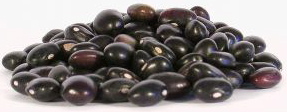
Beans are part of the legume family which also include lentils, peas, soy, and peanuts. While beans may be the butt of many flatulent jokes they have some incredible health benefits and should be included in one's diet if you're looking to lose weight and feel great.
So you're in the supermarket and you pick up a box of "all natural", "organic", "wheat" crackers that looks like another stellar healthy pick on your part. I mean you do love your heart and want to lose weight so you're definitely not looking to buy anything that puts you back in the doctor's office anytime soon, right?
You take this box of crackers and turn it all around and upside down until you finally find the nutrition facts label somewhere on the side. Now you're cruising with high hopes! You look at it and it's only 130 calories per serving... check! Only 7% total fat... check! No cholesterol... check! Only 1 gram of sugar... check! And the ingredient list... well there's about 15 items on there and very few of them are things that you've ever actually heard of so you'll just bypass that section. And voila!! Into the cart goes the crackers and on to the next victim on the shelf. Sound familiar?
So how'd you do? Was that really a healthy choice? Were those crackers really made from whole grains? Did you check how many crackers per serving and then think of how many crackers you eat during each sitting and then calculate out the rest of the percentages of total fat, sugar, sodium, etc.? Of course not. I've never seen anybody shop with a calculator as they wander up and down the aisles. Have you?
While reading a nutrition facts label may seem a bit overwhelming and confusing at first it really is pretty easy to get the hang of with a few basic guidelines. With some simple tips below and some great video clips by registered dietitian Jeff Novick you'll become a master at reading a nutrition label.
Basic Rules For All Products
Jeff Novick RD has two main rules when analyzing the nutrition content of the food you buy. These are a must so make sure you commit them to memory to keep you going down the right path for each of your shopping trips.
Rule #1 - Never ever believe anything on the front of the package... ever!
Rule #2 - Always read the nutrition facts label and ingredient list.
Guidelines For Analyzing Nutrition Facts Label
I'm going to break this up into cholesterol, fats, sodium, and carbohydrates/sugars. Protein will not be discussed because as long as you're not living completely off of soda and glazed donuts then it's virtually impossible not to get enough protein in your diet. If you want more information on protein then feel free to visit my protein page.
Cholesterol
Everybody is into low cholesterol these days. This isn't a bad thing. High cholesterol levels have been linked to many different chronic diseases such as heart disease, Alzheimer's disease, stroke, and more.
Here's what you need to know about cholesterol. We do not need to consume any cholesterol from dietary sources for purposes of promoting health. Our body makes all the cholesterol it needs to maintain itself. Plant-based foods (fruits, vegetables, whole grains, nuts/seeds, legumes) contain NO cholesterol. Animal-based foods (meat, dairy, eggs) always contain cholesterol and consuming these foods does not promote health. With that in mind here's a very simple guideline to follow when looking at a nutrition label...
**If it contains any cholesterol then it contains animal-based foods and it's best to put it back on the shelf**
Fats
We all need about 2-3% of our total calories to come from essential fats (alpha-linolenic acid & linoleic acid) in our diet for basic survival purposes [1]. The government or USDA says that we can consume up to 35% of calories from fat. This upper limit of 35% has been put in place since 2005 by the USDA and prior to that it was set at 30% starting from 1990 to 2005. This level is far too high. During this same time frame the obesity epidemic has continued to grow out of control. It's time we turn to the experts in the field of health and nutrition who really know what they're talking about in regards to this topic.
Dr. John McDougall, Dr. Dean Ornish, and Dr. Caldwell Esselstyn have reversed the incidence of chronic diseases (including heart disease) in their patients with a more effective and proven set of guidelines regarding fat intake in a person's diet. They have all had their patients follow a plant-based diet with a fat intake of around 10%-15% of their total calories. This approach works well to both prevent and reverse chronic illnesses. Jeff Novick talks about keeping your fat intake to less than 20% of calories for packaged foods which is more in line with the aforementioned physicians.
Simple tips to follow in regards to fats...
- Check the calories per serving to calories per serving from fat and keep this to 20% or less. For example if your product has 100 calories per serving than 20 calories or less should come from fat.
- Check the ingredient list for bad fats. Avoid saturated animal fats (lard, butter, chicken fat, etc.), saturated vegetable fats (coconut oil, cocoa butter, palm oil, palm kernel oil), and man-made saturated fats (margarine, shortening).
- Look in the ingredients for the term "partially hydrogenated" oils which are the same as trans fat and you should put these products back on the shelf.
Sodium
Everyone knows how dangerous too much sodium is for us. Even so, the average American consumes anywhere from 3,000-4,500 mg of sodium per day. Human beings have been known to function just fine on as little as 585 mg of sodium per day [2]. The 2010 Dietary Guidelines for America recommend that we consume an average of less than or equal to 1,500 mg of sodium per day for optimal health with an upper limit not to exceed 2,300 mg per day [3]. Most Americans consume almost double this amount! Our intake of excess sodium has been shown to increase the risk of several different cardiovascular diseases including heart attack and stroke. Needless to say, we need to tone it down when it comes to our sodium intake.
Follow these tips on how to lower your sodium intake...
- Keep your calories per serving to sodium ratio at 1:1 or lower. So if you are looking at a product that contains 100 calories per serving then it should have 100 mg or less of sodium per serving.
- Retire the salt shaker. Instead, opt for the many different varieties of no salt seasonings available such as Mrs. Dash, Spike seasonings, etc.
Carbohydrates/Sugars
It seems as though everyone is on a low carb craze as of late but carbohydrates are not necessarily bad. Our body's primary source of energy is carbohydrates. The important thing to realize is that you need to cut out the carbs but rather avoid the bad carbs (refined carbohydrates/sugars) and eat plenty of good carbs (fruits, vegetables, whole grains).
Let's take a look at some helpful tips when considering carbs/sugars on a nutrition label...
- Don't pay attention to the amount in grams of "total carbs" or "total sugars" on the nutrition label. You're only interested in what kind of carbs or sugars are in the product. Look at the ingredient list to find this out.
- Choose products that contain whole grains. It must say these exact words to be considered a whole grain product - "whole" as in whole wheat, "rolled" as in rolled oats, "stone-ground" or "cracked". If it says anything other than these exact words such as "wheat flour", "enriched wheat flour", etc. then it's not whole grain. These are the same as white flour which is a refined carbohydrate. It's nutritional value has been stripped of it so these products should be avoided.
- Natural sources of sugars from fresh fruit are ok but avoid added or refined sugars. These include evaporated cane juice, high fructose corn syrup, corn syrup, sugar, brown rice syrup, honey, dehydrated honey, molasses, etc. You can find a more extensive list here (FYI-I'm not endorsing this article in whole and only providing it for the list of hidden sugars in foods).
- If you find any of the added/refined sugars mentioned above in the first 5 ingredients on the ingredient list then this product contains a high amount of unhealthy sugar and should be avoided. Remember, food manufacturers are required to list ingredients in order of highest to lowest in terms of the weighted amount in the product. The higher an ingredient is on the list the more of this a product contains.
Now take a look at this excellent video by Jeff Novick on the basics of nutrition label reading:
I'd like to also provide one more resource for you to get your nutrition facts straight. The following website is a great tool for looking up nutrition facts for nearly any food that you might eat.
I hope you have learned how to master reading a nutrition label by now and that it leads to much smarter and healthier choices when you find yourself wandering around your grocery store. Don't forget, the healthiest foods are the ones without labels at all and can be found in your produce section and these should fill up most of your grocery cart. Good luck everyone and happy shopping!
If you like what you see here then you'll LOVE our dailyFacebookandTwitterposts! Also, don't forget to sign up for Our Free Online Mailing Listto get all the latest updates from the Plant-Based Pharmacist!
Check out Dustin Rudolph's book The Empty Medicine Cabinet to start your journey towards better health. This step-by-step guide leads you through many of today's common chronic diseases (heart disease, obesity, diabetes, cancer, and more), giving you the facts on foods versus medications in treating these medical conditions. The book also contains an easy-to-follow guide on how to adopt a whole foods, plant-based diet as a part of an overall lifestyle change, producing the best possible health outcomes for you and your family. Hurry and get your copy today!
We'd love for you to join us in spreading the good word about plant-based nutrition and lifestyle medicine by telling your family and friends about our website at www.PlantBasedPharmacist.com.
Share and rate this post below or tell us what you think by posting a comment. Thank you again for stopping by and until next time... be happy, be healthy, and live the life you've always dreamed of!
References:
1 Davis BC, Kris-Etherton PM. Achieving optimal essential fatty acid status in vegetarians: current knowledge and practical implications. Am J Clin Nutr. 2003 Sep;78(3 Suppl):640S-646S.
2 Institute of Medicine. Dietary Reference Intakes for Water, Potassium, Sodium, Chloride, and Sulfate. 2005; 6:269. Available: www.nap.edu/openbook.php?record_id=10925&page=269.
3 U.S. Department of Health and Human Services and U.S. Department of Agriculture. Dietary Guidelines for Americans, 2010. Washington, DC: U.S. June 2010.







.jpg "The Empty Medicine Cabinet")





 Posts
Posts


