Showing posts with label diabetes. Show all posts

Wednesday, February 27, 2013

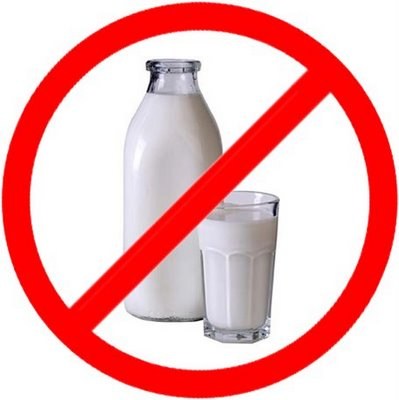
Milk - It Does A Body Bad, Really Bad!


Recently the 2013 Super Bowl featured a Got Milk? commercial with celebrity Dwayne "The Rock" Johnson promoting milk for it's protein content. This 30 second commercial was sponsored by MilkPEP (Milk Processor Education Program). MilkPEP is conglomerate of several dairy industry processors with one goal in mind - to promote the sales of more milk and dairy.  At an average cost of $3.7-$3.8 million for a 30 second Super Bowl commercial these dairy companies spent a fortune branding their product as something that's good for you. Unfortunately, millions of consumers will believe this marketing ploy.

However, a quick look at the medical and scientific literature on milk products (and dairy in general) uncovers some dark secrets about these over glamorized and falsely advertised products. Here's 5 big reasons you may want to put the milk carton down for good.

Wednesday, August 29, 2012

A Mother's Story Of Reversing Type 2 Diabetes


Imagine being faced with one of the most difficult decisions of your entire life. A decision of whether or not to let another human being live or die. By choosing life, it may result in years of surgery for this person, the possibility of retardation, and even the chance of them being put into a vegetative state. By choosing death, it means letting go of a newly formed bond and love so strong that you don't know if you could possibly forgive yourself for making such a decision.

This is the exact decision that Cherise Scally and her husband, Michael, were faced with as they looked into the eyes of their precious baby girl weighing only 1 lb. 11 oz. Nicole had been born nearly three and a half months early and was currently on life support in the neonatal intensive care unit (NICU). She was suffering from a severe infection called sepsis which is a life threatening infection in the blood. Sepsis is actually the seventh leading cause of death for infants in the United States [1]. In Nicole's case, it was likely due to Cherise's water breaking early and the resulting preterm delivery. Cherise had just been admitted to the hospital a few days earlier due to diabetic complications. Her blood sugars were fluctuating wildly between 165 and 485 and she nearly suffered a diabetic coma. She had no idea she was in such critical condition.

Tuesday, May 29, 2012

Overdosed On Sugar - A Nation's Health In Decline


If you're like me then you've probably lived your whole live longing for that sugar fix on a daily basis whether you consciously seek it out or just find yourself munching on sugar laden junk food for no reason. That's because sugar is addictive just like any other drug. In fact, experiencing a "hit" from sugar, whether it be via a candy bar or your favorite sugary drink, has the same effect on the human brain as cocaine and other drugs of abuse do [1]. Both cause a surge in the brain chemical known as dopamine. Dopamine is responsible for producing pleasure sensations deep within the brain.

Consuming sugar is not necessarily a bad thing when done so by seeking out natural foods such as fruit, baby carrots, or other products made by Mother Nature. The problem we face today is that sugar is literally added to everything we eat including bread, ketchup, sweetened beverages, and even baked beans. Yes, that's right - baked beans! Refined and added sugars have become a major problem over the last few decades in the western diet, and it's only adding to the ongoing healthcare crisis we're seeing today.

Tuesday, April 17, 2012

Plant-Based Diets for Seniors


"Old age isn't for sissies," one adage attempts to advise humorously. Despite the saying’s levity, it hits a little too close to the truth. The term "elderly" is the last life-stage known and listed in the human life cycle before death. Many aspects of an elderly person's life are designed to prolong it.
Frequent visits to doctors are scheduled for preventative care, a higher-than-average number of prescriptions are ingested to treat the common diseases that accompany old age and even potential problems are anticipated with measures such as a personal medical alert system or the installation of bathroom grab bars.

Special diets are often included in such life-extending efforts. Elderly individuals may forego added salt to help treat high blood pressure or eliminate candy from their diets to help with high blood sugar levels. More and more, physicians and nutrition experts are also advocating plant-based diets for seniors.

Benefits of a Plant-Based Diet

A recent study by the Journal of the American Dietetic Association underscores some of the benefits of a plant-based diet. Study participants who followed a vegetarian diet had better overall nutritional profiles than meat eaters, and their diets included more essential vitamins and nutrients than the non-vegetarians' diets. Vegetarians also ate healthier foods and had lower blood glucose and cholesterol levels.

Wednesday, March 28, 2012

Benefits of a Plant-Based Diet

When you hear the words "vegan" or "vegetarian", you may think of trendy people who disavow T-bone steaks and leather jackets and are ardent supporters of PETA. You may think of activists who throw red paint on people wearing fur. You may even think of yoga-practicing, granola-crunching hippies flashing peace signs. But what you might not realize is that a plant-based diet has many health advantages, and can benefit anyone regardless of age, gender or personal philosophy.

The Cure

A plant-based diet can reduce the risk of developing a number of diseases and serious conditions. Loma Linda University found that vegetarians are 36 percent less likely to develop metabolic syndrome, which is characterized by a large waist circumference and high cholesterol, glucose, blood pressure and triglyceride levels, and can lead to serious health problems such as diabetes, heart disease and stroke. This condition can drastically affect your life, making you less able to perform your daily activities. If not treated properly, these illnesses can lead to physical incapacitation to the point where you rely on wheelchairs and wheelchair accessible vans to stay mobile.

A vegetable-rich diet can lower your risk of obesity and certain types of cancer, as well as your cholesterol and blood pressure. This is because a plant-based diet includes more nutrients the body needs like vitamins, minerals and phytonutrients, as well as fewer of the elements that should be limited like cholesterol and saturated fat. Additionally, vegetarians tend to eat fewer calories and keep a healthy weight.

Wednesday, December 14, 2011

This Is Your Body On The Standard American Diet (SAD)

Back in the late 80's and early 90's the Partnership For a Drug-Free America launched a campaign to help fight narcotic drug abuse in the United States. It became known as the This Is Your Brain On Drugs campaign. It sparked a lot of attention in bringing to light the consequences of using illegal drugs on human health and brain function.

Now it's time for a new campaign. I call it the This Is Your Body On The Standard American Diet campaign. Animal-based and processed foods have been linked in numerous studies to a number of chronic diseases seen in today's world. Obesity, heart disease, type 2 diabetes, cancer, osteoporosis, dementia, diverticulitis, autoimmune diseases, ADHD, irritable bowel syndrome, and many others all are highly correlated to eating a diet consisting of meat, dairy, eggs, and processed foods. These are all preventable and/or reversible in many cases just by changing what's on your plate and adopting a whole foods, plant-based diet.

Not everyone realizes the consequences of their food choices and the resulting health implications from these choices. Part of the reason is because it may take years or even decades for these diseases to show up. I see the pain and suffering first hand every single day from these diseases as patient after patient shows up in the hospital I work at. Here's exactly what happens to those who continue to eat a SAD diet of animal-based and processed foods day after day.

Tuesday, November 15, 2011

Food Stamps And Fast Food

by guest blogger Cyndi Laurenti


There's a frightening trend sweeping the nation: allowing those on food assistance and food stamp programs to buy processed, prepackaged foods, including at fast food restaurants, as an alternative to using that assistance only at grocery stores. Despite the efforts of some states to restrict the types of junk food allowed to be purchased with food stamp or food assistance cards, more states are adopting the policy of letting recipients buy some of the unhealthiest foods on the market. However, for some these foods are simply the most economically viable option.


The Reality of the Situation

Unfortunately, fast food is often cheaper than high-quality or organic food. Because the budgets of families that receive food stamps must be counted out to the penny, a $5 meal at a fast food restaurant may seem like the only option when healthy and nutritious food from a grocery store may cost two or three times as much. With such limited income, the choice becomes less a matter of eating something healthy instead of a fast food hamburger and more an issue of simply trying to get the most food for the least amount of money.


Wednesday, October 26, 2011

Ten Health Benefits Of Getting Your ZZZ's

Our modern, on-the-go world has become dependent on Starbucks, caffeine packed energy drinks, and/or a nicotine fix to make it to a state of functional each and every morning. This is most certainly due to a lack of sleep as many of us are failing to get enough zzz's. The popular vices of caffeine and nicotine only serve to undermine our health when instead a good night's sleep is usually all we need.

In the United States there are 50-70 million people who suffer from chronic sleep and wakefulness disorders [1]. The National Sleep Foundation states that adults need between 7-9 hours of sleep each night to stay in good health [2]. Getting the proper amount of sleep can do wonders for your health. Here's 10 health benefits of getting the proper amount of sleep.

Wednesday, July 6, 2011

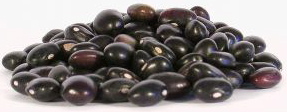
Beans, Beans, The Musical Fruit


Beans, beans, the musical fruit
The more you eat, the more you toot
The more you toot, the better you feel
So let's eat beans with every meal!


I'm sure that short, little tune takes you back to your playground days like it does me.  I remember growing up and having a few laughs over one of nature's most smelly culprits.  As goofy and childlike as the song may be it has a lot of truth beneath the verses within it.

Beans are part of the legume family which also include lentils, peas, soy, and peanuts.  While beans may be the butt of many flatulent jokes they have some incredible health benefits and should be included in one's diet if you're looking to lose weight and feel great.

Wednesday, May 25, 2011

Forks Over Knives - Movie Review


There are several documentaries produced that will capture your curiosity and attention for an hour or two on a lazy, summer day but their message is usually long forgotten by the time you hit your pillow that night.  Forks Over Knives defies this status quo as it leaves you thinking twice about everything you've ever grown up on and makes you question your future choices regarding the foods that you eat as it brings to light the outspoken lessons of how nutritional excellence is the key to a healthier nation and a better quality of life for all.

Forks Over Knives is the brilliant work of two legendary pioneers in our modern day healthcare system.  One American biochemist, Dr. T. Colin Campbell, has over 50 years of distinguished work in the field of nutrition and health and one American surgeon, Dr. Caldwell Esselstyn, has worked tirelessly for decades at the world famous Cleveland Clinic to rid his patients of heart disease.  These two men have teamed up to share their life long experiences in the fields of health and nutrition to educate the world on how to prevent and reverse chronic diseases with a plant-based diet.

Wednesday, May 4, 2011

Our Taxes - Are They Making Us Sick?


When it comes to spending money, you're making a conscious decision on whether or not the goods and services you're purchasing are worth your hard earned dollars.  You want to feel like you've made a smart decision that contains some sort of value.

I'm sure you would find this same concept true when it comes to your overall health.  In essence, you want to make good decisions and investments which help you feel better, live longer, and avoid the chronic diseases that plague most of our society.  And the most important investment you can make, when it comes to determining how healthy you are, is in the form of the foods that you purchase and consume on a regular basis.  So how are the prices of various foods determined?

You may or may not realize that this is largely determined by how our tax dollars are spent with respect to the different subsidies paid to the food and agriculture industries.  Common sense would tell us that we would want our government to subsidize the foods that increase and promote overall health the most.  However, in reality the exact opposite is true.  In fact, the rise in obesity and decline in public health is directly correlated to the increasing availability of low-nutrient, inexpensive food that is high in fat, sugar, and refined grains [1].  On the contrary, foods found to have the highest amount of nutrients per calorie (fruits and vegetables) cost much more per calorie than their lower nutrient counterparts [2] even though they play a vital role in promoting health and wellness.

So how exactly does this all fit together?  And what does the breakdown look like when it comes to our tax dollars being divvied up to their respective recipients in the food and ag industries?  Let's find out as we take a deeper look into these very issues.

Wednesday, April 27, 2011

EarthSave's "Meals For Health" Program - Changing The Lives Of Those In Need


America is living in a state of emergency when it comes to our overall health.  This heartbreaking picture can be seen in some of the startling statistics that reveal the rates of heart disease, diabetes, and cancer just to name a few of the chronic diseases we see here in the U.S.

As a matter of fact, cardiovascular disease takes the life of an individual every 38 seconds in our country [1].  Diabetes is no better as a little over 5,200 people are diagnosed with this disease every single day in America, and this only includes those over the age of 20 who are diagnosed with diabetes [2].  And lastly, according to estimates from the American Cancer Society roughly 65 people die every hour from a cancer related death in the U.S. [3]  These painful statistics are even worse for those individuals and families who live in poverty.  But there is hope.

Wednesday, March 30, 2011

Type 2 Diabetes - The Cause and The Cure


It's the disease that's becoming more and more prevalent among westernized cultures.  Diabetes, along with the obesity epidemic that's fueling it, is growing rampant and the numbers behind the illness are almost too large to wrap your mind around.  According to the American Diabetes Association (ADA) 25.8 million people have diabetes in the United States.  That's approximately 8.3% of the population.  But that's not the disturbing part.  The real kicker is another 79 million people in the U.S. are at risk for developing diabetes and are classified as having prediabetes.

The ADA goes on to report that the total cost of treating both diabetes and prediabetes in the U.S. in 2007 was a whopping $218 billion dollars!  That's more than the $171 billion dollars that the Department of Defense reportedly spent on BOTH the wars in Iraq and Afghanistan in 2010.  And it's almost double the $129.8 billion that the U.S. federal government budgeted for education in 2011.

But it's not the financial burden of diabetes that hurts the worst.  If you're one of the people who suffers from this chronic disease then you're probably all too familiar with the fact that diabetes can lead to further serious medical conditions including high blood pressure, heart disease, kidney failure, blindness, hearing loss, peripheral neuropathy, skin infections and skin ulcers, impotence, depression, peripheral arterial disease, strokes, limb amputations, and even death.  And with a list this long it goes without saying that we must do something to turn things around.  So what do we do?

First, we need to understand the disease better.  Second, we need to adopt the approaches that have been proven by science to be the most effective, safest, and least costly ways to beat this disease.  So what do you say... why don't we take an in depth look at both of these.