If you're thinking of going vegan (or vegetarian) you're probably obsessed with it. If you're vegan you hate it. And if you've conversed with anyone who eats food (of any kind) it seems to be the only thing that matters to them. It's the protein question.
Where Do You Get Your Protein?
The protein topic is the most talked about subject in modern nutrition. Doctors and dietitians warn you about getting enough of it. Friends and family scare you by claiming you'll wither away and die without it [because vegan diets obviously contain none of it! **Sarcasm**]. And the food industry slaps the protein label on the front of almost everything they make so they can sell more of their mostly worthless food products.
So what's all the fuss about? Is protein some sort of miracle nutrient that keeps the human race from going extinct? Will humans just disappear, vanishing into thin air, if supermarkets fail to stock meat and dairy? More importantly, how does one get protein on a plant-based diet? And how much is enough?
These questions and more are answered below in a comprehensive list of articles and resources detailing everything you need to know about protein. They come from the best and the brightest in their respective fields of health, fitness, nutrition, and medicine. So anytime someone asks you, 'Where do you get your protein?' be sure and direct them this way. With any luck, it's bound to put their mind a little more, or maybe even completely, at ease about the subject.
This summer spawned the publication of Dr. T. Colin Campbell's latest book Whole: Rethinking the Science of Nutrition. This was a follow up to his bestseller The China Study which took the nutrition world by storm back in 2005 and continues to be a leading seller today. Today I provide a book review on Whole.
Both The China Study and Whole paint a picture (and very intriguing one at that) of the health and nutrition world as it's come to exist today. While The China Study gives more of the intricate details of the individual studies relating to health and nutrition, Whole focuses on the bigger picture of how it all fits together within our current "system". Dr. Campbell lays out how a reductionist approach to nutrition, health, and medicine functions within our current system, and, more importantly, why the system operates the way it does.
Whole is comprised of three main parts followed by Dr. Campbell's engaging thoughts in Part IV on how we should move forward if we wish to turn around the current disease-care system we've come to know today.
Whole - Part I - Enslaved by The System
Dr. T. Colin Campbell, Ph.D.
Part I of Whole plants a seed in readers to think differently. It reveals a wholistic approach towards our healthcare system as we move forward. The present-day strategies of using pills, procedures, and/or surgeries to combat the epidemic of chronic disease is, for all intensive purposes, not working. Instead, Dr. Campbell enlightens us on the benefits of a whole foods, plant-based (WFPB) diet in our quest to end the epidemic of sickness and suffering.
Part I goes on to detail Dr. Campbell's background of how he grew up on a dairy farm and then made his subsequent entrance into the scientific world as a leading nutritional biochemist looking to rid the world of hunger and malnourishment. The details of his upbringing provide a very telling story with a surprising twist of fate.
Chapter 1 - The Modern-Day Health-Care Myth Chapter 2 - The Whole Truth Chapter 3 - My Heretical Path
Eggs have long been part of the traditional American diet especially when it comes to a hearty breakfast. Gym junkies also swear by eggs, highlighting the egg whites as a perfect low-fat, low-calorie source of protein. Others say eggs are an essential food for good health citing the fact they are an excellent source of vitamin A, B-complex vitamins (specifically choline), and two carotenoids (lutein and zeaxanthin) which are important for healthy vision. Along with these health claims proponents also often say you should limit egg consumption. The Mayo Clinic states to consume no more than 4 eggs per week to avoid increasing cholesterol levels.
So are eggs really the perfect food? Are there any downsides to eating eggs? Should you eat eggs or not eat eggs? What does the science say about eating eggs?
Eggs - The Evidence vs. What They "Say"
Egg advocates often highlight a few vitamins and antioxidants contained in the egg to help boost the case of them being a health food. The cholesterol and fat content is usually downplayed as a source of concern when it comes to egg's overall effect on health by these same proponents. I believe it's important to look at the actual evidence when contemplating whether or not to eat eggs before making your decision. Relying on hearsay is of little benefit when it comes to your individual health.
Below is a look at the evidence (not funded by the egg industry) on egg consumption and health:
It's an all to often occurrence in my line of work as a hospital pharmacist to hear other healthcare professionals talking to patients about how they can treat their ailments. This almost always involves a reference to the latest procedure or newly released blockbuster drug. While some rare occasions may indeed call for such action, many do not. We have a pill for everything in this country and a high tech procedure for everything else.
Many of the conversations I hear go a little something like this:
Patient: "How'd my cholesterol test come back?"
Nurse: "It's higher than we'd like it to be, but the doctor just ordered this drug called Lipitor for you..."
Patient: "The chest pain was almost unbearable at times doc."
Doctor: "You're going to be ok. You're actually a really good candidate for a procedure called a cardiac cath. What happens is we'll insert a stent into your coronary artery..."
Patient: "This indigestion is killing me. It's been going on for days. I can't sleep at night it's so bad."
Doctor: "I'm sorry. It has to be difficult to get any rest when your chest feels like it's on fire. There's this medication called Nexium we can try on you. It's the purple pill. You may have heard of it before. Also, I can give you a sleeping pill called Ambien..."
Patient: "So what's the verdict from my fall? Is anything broken? I'm really in a lot of pain."
Doctor: "Unfortunately, you broke your hip. You have osteoporosis which is a major contributor to this. We need to consult an orthopedic specialist to see if surgery is necessary for you. Also, there's this drug called Fosamax I'd like to start you on once you leave the hospital..."
We use a variety of gear to prevent injury. A motorcyclist wears glasses and a helmet to protect their eyes and head. Construction workers wear steel-toe shoes and hard hats. Potholders are used in the kitchen to grab something hot. What is needed within our bodies to protect us from disease?
Plants. Yes, that’s correct. Amazingly, nature has built into plants the ability for them to produce compounds for them to fight disease. When we eat the plants – vegetables and fruits – the same plant compounds fight disease in us.
"Old age isn't for sissies," one adage attempts to
advise humorously. Despite the saying’s levity, it hits a little too close to
the truth. The term "elderly" is the last life-stage known and listed
in the human life cycle before death. Many aspects of an elderly person's life
are designed to prolong it.
Frequent visits to doctors are scheduled for preventative
care, a higher-than-average number of prescriptions are ingested to treat the
common diseases that accompany old age and even potential problems are
anticipated with measures such as a personal
medical alert system or the installation of bathroom grab bars.
Special diets are often included in such life-extending
efforts. Elderly individuals may forego added salt to help treat high blood
pressure or eliminate candy from their diets to help with high blood sugar
levels. More and more, physicians and nutrition experts are also advocating
plant-based diets for seniors.
Benefits of a Plant-Based
Diet
A recent
study by the Journal of the American Dietetic Association underscores some
of the benefits of a plant-based diet. Study participants who followed a
vegetarian diet had better overall nutritional profiles than meat eaters, and their
diets included more essential vitamins and nutrients than the non-vegetarians'
diets. Vegetarians also ate healthier foods and had lower blood glucose and
cholesterol levels.
Dr. Mark Hyman isn't one of those doctors who's eager to pass out pills and procedures like candy when patients come to see him for their medical problems. He doesn't care about "labeling" a set of symptoms just so people can finally put a name to whatever they're suffering from. He wants to do more than just this.
He wants to get to the root cause of his patient's problems. Instead of taking a backwards approach to treating diseases by throwing more drugs at them he takes a forward thinking approach of finding the underlying cause of these diseases and then targets those issues to better the lives of his patients. He practices what is known as Functional Medicine and hopes to help both patients and doctors view health and disease from a different perspective. This perspective focuses on long term solutions instead of short term relief from a medicine cabinet full of prescriptions.
He shares his personal story of discovering this new vision of what healthcare should look like in his speech at TEDMED 2010. His insights into the management of the emotional, mental, and physical wellbeing of a human being gives hope that one day our current medical system may finally realize that our conventional ways of compartmentalized thinking are outdated and in need of a major overhaul. The body is a whole system of interconnected parts that all affect one another. More pills are not the answer. More understanding and knowledge about this systemic approach is.
If you like what you see here then you'll LOVE our dailyFacebookandTwitterposts! Also, don't forget to sign up for Our Free Online Mailing Listto get all the latest updates from the Plant-Based Pharmacist!
Check out Dustin Rudolph's book The Empty Medicine Cabinet to start your journey towards better health. This step-by-step guide leads you through many of today's common chronic diseases (heart disease, obesity, diabetes, cancer, and more), giving you the facts on foods versus medications in treating these medical conditions. The book also contains an easy-to-follow guide on how to adopt a whole foods, plant-based diet as a part of an overall lifestyle change, producing the best possible health outcomes for you and your family. Hurry and get your copy today!
We'd love for you to join us in spreading the good word about plant-based nutrition and lifestyle medicine by telling your family and friends about our website at www.PlantBasedPharmacist.com.
Share and rate this post below or tell us what you think by posting a comment. Thank you again for stopping by and until next time... be happy, be healthy, and live the life you've always dreamed of!
I was raised on a Midwestern diet of hamburgers, French fries and frothing glasses of ice-cold milk. I once tried to go vegetarian. I gave up that weekend, when a friend unknowingly made me a steak dinner, causing me to promptly cave on my resolutions to eat healthier. This "meat and potatoes" attitude followed me throughout college, until last winter.
I was working out at the gym, and my trainer noticed that I was congested and unable to draw a full, deep breath without coughing. After questioning me about my diet, he recommended that I cut dairy completely out. I started to notice a difference within a week—namely, I felt less sluggish and congested. After researching the negative side effects of dairy, I stopped consuming dairy altogether, except the rare snack of cheese.
I read a lot about health and nutrition these days which is a good thing because I'm a healthcare practitioner. And although nutrition isn't a large part of my everyday duties as a pharmacist it's certainly extremely important to one's overall health, and I realize that. Since I never received any training or education in regards to this during pharmacy school I've taken it upon myself to learn as much as I can about this subject on my own time. The latest book to help fill in this gap is the wonderful work and product of Chef AJ.
Chef AJ has become one of my favorite culinary artists and is also a bit of a rockstar in the plant-based world. She's brilliant in the kitchen and makes eating a whole foods, plant-based diet surprisingly simple and unbelievably delicious in her new book Unprocessed. I guess that comes with the territory when you've got nearly 35 years of experience under your belt eating and preparing plant-based meals. It wasn't always easy for Chef AJ though.
Did you know the average Thanksgiving dinner is 3,000-3,500 calories? That’s nearly two days worth the calories eaten at one meal! You can forget counting calories and enjoy seasonal favorites with these Thanksgiving ideas.
First, look at what you’re serving and see if a lighter version can be made. Do you add cream cheese and butter to the mashed potatoes? Forget them and don’t tell anyone. Instead add a couple of chopped turnips or parsnips to the boiling potatoes and whip with the potatoes for a slightly sweet flavor and a nutritional boost. Prepare roasted vegetables by cutting any combination of potatoes, carrots, onions, parsnips, sweet potatoes, and beets in ¾” chunks and sprinkle with rosemary and/or thyme and salt. Roast in a 425° oven for 30-35 minutes until tender tossing occasionally. A low calorie alternative to candied sweet potatoes is whipping cooked sweet potatoes with just a dash of cinnamon added.
What about the green bean and mushroom soup casserole topped with fried onions? A calorie-reducing alternative is to cook green beans in salted boiling water until crisp-tender for about 5 minutes. Drain and rinse with cold water. Meanwhile, sauté onion and sliced mushrooms in a little vegetable broth. Add the green beans and toss. Put in serving dish and top with sliced almonds. Carrots will become a favorite by cooking sliced carrots in a little orange juice and finish with some chopped dill. A new salad idea everyone will enjoy is mixed greens with walnuts and dried cranberries tossed in a dressing of pureed raspberries with 1-2 teaspoons of balsamic vinegar.
Limit the number of desserts offered. A welcomed dessert after a big meal is tossing some toasted coconut in a variety of diced fruits of your choice such as pineapple, bananas, apples and berries.
You will keep the waistline in check and still enjoy a feast this Thanksgiving with these guilt-free ideas.
Jody Perrecone is a corporate manager for the Coronary Health Improvement Project (CHIP). CHIP is an international wellness program focusing on lifestyle interventions to create a healthier workforce and reduce overall health care costs. Jody works with hospitals, corporations, and communities to offer CHIP programs throughout the U.S.
If you like what you see here then you'll LOVE our dailyFacebookandTwitterposts! Also, don't forget to sign up for Our Free Online Mailing Listto get all the latest updates from the Plant-Based Pharmacist!
Check out Dustin Rudolph's book The Empty Medicine Cabinet to start your journey towards better health. This step-by-step guide leads you through many of today's common chronic diseases (heart disease, obesity, diabetes, cancer, and more), giving you the facts on foods versus medications in treating these medical conditions. The book also contains an easy-to-follow guide on how to adopt a whole foods, plant-based diet as a part of an overall lifestyle change, producing the best possible health outcomes for you and your family. Hurry and get your copy today!
We'd love for you to join us in spreading the good word about plant-based nutrition and lifestyle medicine by telling your family and friends about our website at www.PlantBasedPharmacist.com.
Share and rate this post below or tell us what you think by posting a comment. Thank you again for stopping by and until next time... be happy, be healthy, and live the life you've always dreamed of!
We are all looking for ways to reduce the risk of disease and also reverse diseases we have such as high cholesterol, high blood pressure, heartburn, type II diabetes, gall bladder disease, overweight, heart disease, arthritis, gall bladder disease, and some cancers. Rightly so, more people are looking to the food they eat to improve their health.
This is evident when looking at the top book sales on amazon.com. Of the top 15 best selling books on health, five are books that show step by step how to improve health by improving eating habits. The #5 best seller is Prevent and Reverse Heart Disease, the Revolutionary, Scientifically Proven Nutrition-Based Cure,# 7 is Food, Inc., #10 Forks Over Knives, the Plant-Based Way to Health, #12 is Eat to Live: the Amazing Nutrient-Rich Program for Fast & Sustained Weight Loss, and #15 is The China Study.
Did you know eating soluble fiber found in some grains, fruits, vegetables, and beans can carry cholesterol out of the intestine along with waste and reduces your cholesterol by a few points? Green leafy vegetables, broccoli, tomatoes, and berries are protective against some cancers. And this is just a sample of how the right foods protect our health. Foods are not a substitute for working with our physician, but they play an important role in preventing and reversing these Western diseases.
If you like what you see here then you'll LOVE our dailyFacebookandTwitterposts! Also, don't forget to sign up for Our Free Online Mailing Listto get all the latest updates from the Plant-Based Pharmacist!
Check out Dustin Rudolph's book The Empty Medicine Cabinet to start your journey towards better health. This step-by-step guide leads you through many of today's common chronic diseases (heart disease, obesity, diabetes, cancer, and more), giving you the facts on foods versus medications in treating these medical conditions. The book also contains an easy-to-follow guide on how to adopt a whole foods, plant-based diet as a part of an overall lifestyle change, producing the best possible health outcomes for you and your family. Hurry and get your copy today!
We'd love for you to join us in spreading the good word about plant-based nutrition and lifestyle medicine by telling your family and friends about our website at www.PlantBasedPharmacist.com.
Share and rate this post below or tell us what you think by posting a comment. Thank you again for stopping by and until next time... be happy, be healthy, and live the life you've always dreamed of!
No, I'm not talking about the latest Major League Baseball players getting caught shooting up with anabolic steroids if that's what first came to mind. This is a whole different kind of juicing. One that promises better health and lots of energy to go with it. After being inspired by the documentary Fat, Sick, And Nearly Dead I decided to take the 7 day juicing challenge!
I won't be juicing 100% of the time for the seven day period but I will be on a liquid fast for the full 7 days. I will be juicing as much as possible and throwing in a smoothie every once in a while for a treat. I know what you're probably thinking.... "Seven days and not a single bite of food to eat! That's crazy!" Well, it may sound crazy but it actually gives your digestive tract a break and helps clean out any crap (literally!) that you've been shoving down the old hatch.
If you're looking for a new workout challenge or just want to get into better overall shape then look no further - P90x does just that! This program will transform your body over a 90 day period and leave you feeling great and full of energy.
What Is P90x?
P90x is a home fitness program coupled with a nutritional program to help get you into phenomenal shape in just 13 weeks. Before you start the program it's always best to seek a thorough strength, balance, and flexibility assessment from a qualified professional so you can avoid any unwanted injuries. Once you're cleared let the good times begin!
Fitness Program
The workouts are approximately 45-60 minutes long and you do them 6 days per week. Three days a week you add in 15 minutes of abdominal exercises after you workout which really helps transform your stomach into that 6 pack that you always wanted.
There are various workout regimens that you'll rotate between so you can rest assured that you won't get bored. You'll go between the following as you work your way through the program:
1) Strength/Resistance Training
2) Cardio
3) Yoga
4) Plyometrics - "Jump training"
5) Stretching
6) Abdominal exercises
7) Martial Arts
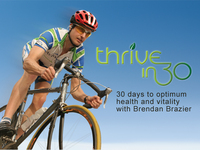
Ever wish you could find yourself waking up every morning feeling like a world class athlete? Where every part of your body just oozes with an abundance of energy, health, and vitality. A lifestyle where you jump out of bed ready to take on the world. Sounds like everyone's perfect way of living right?
Well, if this is your goal then you're in luck because anyone can achieve this lifestyle no matter who you are. Brendan Brazier, a world class athlete, has launched an amazing program called Thrive In 30 that is bound to send you down this very path.
So what is Thrive In 30 all about? Let's take a look...
It's the disease that's becoming more and more prevalent among westernized cultures. Diabetes, along with the obesity epidemic that's fueling it, is growing rampant and the numbers behind the illness are almost too large to wrap your mind around. According to the American Diabetes Association (ADA) 25.8 million people have diabetes in the United States. That's approximately 8.3% of the population. But that's not the disturbing part. The real kicker is another 79 million people in the U.S. are at risk for developing diabetes and are classified as having prediabetes.
The ADA goes on to report that the total cost of treating both diabetes and prediabetes in the U.S. in 2007 was a whopping $218 billion dollars! That's more than the $171 billion dollars that the Department of Defense reportedly spent on BOTH the wars in Iraq and Afghanistan in 2010. And it's almost double the $129.8 billion that the U.S. federal government budgeted for education in 2011.
But it's not the financial burden of diabetes that hurts the worst. If you're one of the people who suffers from this chronic disease then you're probably all too familiar with the fact that diabetes can lead to further serious medical conditions including high blood pressure, heart disease, kidney failure, blindness, hearing loss, peripheral neuropathy, skin infections and skin ulcers, impotence, depression, peripheral arterial disease, strokes, limb amputations, and even death. And with a list this long it goes without saying that we must do something to turn things around. So what do we do?
First, we need to understand the disease better. Second, we need to adopt the approaches that have been proven by science to be the most effective, safest, and least costly ways to beat this disease. So what do you say... why don't we take an in depth look at both of these.
I was sitting in my podiatrist's office one day back in February 2009 waiting to see the doctor about my plantar fasciitis. This was only my second or third trip to see Dr. Sal and little did I know that it would change the entire course of my life. It just so happened that the health care debate in the U.S. was heating up right around this time and a copy of Time magazine was sitting in Dr. Sal's waiting room with an article on this very topic.
This was perfect to pass the time as I was always looking for information and different points of views on the subject. As a pharmacist this topic really touches home to me because the health and wellness of others is my passion and its the reason I get up every morning and do what I do. So I started reading away but before I could finish my name was called by the nurse. It was my turn! Isn't it funny how excited we get when our name is finally called in a doctor's office? Anyway, I brought the article into the exam room and continued to finish it while waiting for the doctor to enter.
When Dr. Sal walked in he greeted me with an energetic smile and asked how I was doing. He noticed I was reading and asked how the magazine was treating me. I said "Great! I was just reading up on all this health care stuff going on." This in turn led into a very interesting and enlightening discussion as the two of us medical gurus went back and forth on the whole debate. And then Dr. Sal hit me with it... "You know regardless of what legislation is put forth regarding health care it will never really get to the heart of the matter." I was a little confused and not quite sure what he meant by that but very curious as to what was to come next.
We've all heard about it and it dominates many conversations between doctors and their patients. Heart disease is on every one's mind and is also the number one killer worldwide according to the World Health Organization (WHO). WHO reported that just under one third of all deaths globally are due to cardiovascular disease. That's definitely not a laughing matter and something we should all take seriously.
To put this in perspective let's take a look at some data from the CDC. They reported in 2008 that the leading cause of death in the United States was from cardiovascular diseases (heart disease and strokes). This probably isn't much of a surprise to you. But what is a surprise is that cardiovascular disease kills more than 6 times the number of people than accidents do, more than 10 times the number of people than diabetes does, and more than 42 times than the number of people murdered each year in the U.S. Heart disease is literally the most notorious serial killer mankind has ever known.
So is there any good news about all this? The answer is YES but you'll be hard pressed to find it in our modern culture and it's not going to be advertised on a huge billboard that's flashing before your eyes. Most doctors and heart specialists immediately reach for the prescription pad or talk about a fancy new procedure or surgery that can be done. However, a bucketful of pills and even open heart surgery has never been proven to completely reverse this devastating disease. That doesn't mean it can't be done AND done in a much more effective and safer way. How do you do this you ask?
You're about to find out as I introduce you to the works of Dr. Caldwell Esselstyn, Director of the Cardiovascular Disease Prevention and Reversal Program at the highly respected and famed Cleveland Clinic. Dr. Esselstyn is a medical doctor (MD) and surgeon who became frustrated by seeing his patients come back again and again with the same problems. So he set out to find a better way and decided to take on the behemoth of cardiovascular disease. What he found is that by putting his patients on a low fat, plant-based diet he was able to completely reverse their cases of heart disease.
If you have cardiovascular disease or know of someone who does then I would encourage you to take the time to watch the following one hour presentation by Dr. Esselstyn and also the short clip from Professor Peter Lewis who reversed his heart disease by following Dr. Esselstyn's advice. One hour could literally change your life and give you back control of your own health and destiny so that you can enjoy life to the fullest. With that being said sit back, relax, and enjoy the presentation.
Do you have any personal experience with tackling heart disease with a plant-based diet?
Have you ever seen any other methods that have the same success rate?
What kind of things do you think could help bring heart disease down on the list of leading causes of death?
If you like what you see here then you'll LOVE our dailyFacebookandTwitterposts! Also, don't forget to sign up for Our Free Online Mailing Listto get all the latest updates from the Plant-Based Pharmacist!
Check out Dustin Rudolph's book The Empty Medicine Cabinet to start your journey towards better health. This step-by-step guide leads you through many of today's common chronic diseases (heart disease, obesity, diabetes, cancer, and more), giving you the facts on foods versus medications in treating these medical conditions. The book also contains an easy-to-follow guide on how to adopt a whole foods, plant-based diet as a part of an overall lifestyle change, producing the best possible health outcomes for you and your family. Hurry and get your copy today!
We'd love for you to join us in spreading the good word about plant-based nutrition and lifestyle medicine by telling your family and friends about our website at www.PlantBasedPharmacist.com.
Share and rate this post below or tell us what you think by posting a comment. Thank you again for stopping by and until next time... be happy, be healthy, and live the life you've always dreamed of!
It is widely known that eating more fruits and vegetables is better for your overall health and it's not just grandma saying this anymore. The recently published and updated 2010 Dietary Guidelines for Americans stated this and even dedicated two full pages pointing out the benefits of a plant-based diet for one's health [1]. But is eating a raw food diet better than eating a diet with some cooked foods in it?
This claim has been made by many raw-foodists as they say eating a diet devoid of any cooked foods or at least eating only a minimal amount of cooked food is the only way to achieve optimal health. To be considered a raw food diet one must consume 75% or more of their food raw. Some raw-foodists say that eating a 100% raw diet is the only way to achieve perfect health. So what's the right answer?
Unfortunately, this is not an easy topic to paint a clear black and white picture about and no long term studies are available to date to adequately determine whether a raw food diet is superior for one's overall health. If anything there seems to be pros and cons to both sides. Let's take a look at what the scientific world has to say about all of this.
Are cooked foods more toxic?
Many raw food advocates claim that cooked foods are toxic and therefore should not be consumed. While they do have some good points regarding the formation of certain carcinogens and other toxic agents in cooked foods it appears that the method of cooking plays a significant role in all of this.
▸ Heterocyclic Amines (HCAs)
▪ Defined as chemicals that are formed when amino acids (building blocks of protein), sugar, and
creatinine/creatine react with one another at high temperatures [2]. Creatinine and creatine are
found in meat and therefore HCAs are only formed and eaten when consuming the flesh
of an animal or fish.
▪ The higher the temperature and the longer the meat is cooked for play a significant role in the
formation of HCAs. Frying, broiling, baking, and grilling will all increase the formation of HCAs
especially above 300℉ [3,4,5].
▪ HCAs have been shown to be mutagenic which means they can cause mutations and damage DNA
[6]. This may increase one's risk of cancer and numerous epidemiological studies have linked a
high consumption of well-done, fried, or barbecued meats to an increased risk of colorectal cancer,
breast cancer, prostate cancer, and pancreatic cancer [7,8,9,10,11].
▸ Maillard molecules
▪ Many raw-foodist say that Maillard reactions (reactions between a protein and carbohydrate)
of the chemicals". This claim is made, of course, without any long term scientific data providing
any proof of this.
▪ Maillard reactions are responsible for a portion of the browning effect and flavoring of different
food products [12].
▪ Maillard molecules are not just produced in foods but also via non-food pathways in the human
body when collagen and free sugars undergo cross-linking to produce Advanced Glycation
Endproducts (AGE's) which occur at an advanced stage of a Maillard reaction [13]. In
diabetic patients this reaction is accelerated due to elevated blood sugar and has led to tissue
degeneration. Diabetics also have decreased kidney function which has been shown to reduce the
clearance of AGE's from the body leading to increased renal-vascular injury [14]. However, these
damaging effects don't seem to occur in non-diabetic patients.
▪ Consuming a diet rich in Maillard reaction products has actually been shown to have antioxidant
effects in vitro (in test tube laboratory experiments) and has also been shown to reduce oxidative
damage to LDL (bad cholesterol) but it still remains to be seen in vivo (in living organisms) [15].
▸ Polycyclic Aromatic Hydrocarbons (PAHs)
▪ PHAs are carcinogens formed when meats are grilled over an open flame or by smoking meat
products [3,16]. They are also found in car exhaust fumes, polluted air, and cigarette smoke.
▪ An increase in the incremental lifetime cancer risk of individuals has been shown in those who have
a higher daily dietary exposure to PHAs [17].
▸ Acrylamides
▪ Found in moderate amounts in heated protein-rich foods and in high amounts in cooked
carbohydrate-rich foods such as potatoes, potato chips, beetroot, and crisp bread [18].
Acrylamides are not found, however, in unheated or boiled foods [18].
▪ Acrylamides have shown mixed results with being a possible carcinogen in humans.
Epidemiological studies have shown an increased risk of ovarian and endometrial cancer, renal cell
cancer, breast cancer, and oral cavity cancer when exposed to higher levels of acrylamides but a
decreased risk in lung and bladder cancer in women and prostrate and oro- and
hypopharynx cancer in men [19].
As you can see from above there are many different factors that go into the potential toxicity of foodstuffs. It appears from reviewing the scientific data that cooking foods for longer periods of time at higher temperatures can lead to increased exposure to potential toxins. In contrast, using water based cooking methods such as boiling or steaming reduces or eliminates these risks.
In addition, it is also clear that consuming a plant-based diet and limiting or avoiding meat products all together will dramatically reduce your exposure to potentially harmful carcinogens such as HCAs and PAHs. The benefits of increasing health promoting vegetables in one's diet was shown to be the case in a review of 28 studies on the consumption of raw vs. cooked vegetables and cancer risk. It showed that increasing your consumption of vegetables in general whether raw or cooked led to a decreased risk of several different types of cancer [21].
Do Cooked Foods Contain Less Nutrition?
Another claim by raw food advocates is that when you cook food you destroy the nutrients and enzymes in food that make them worth eating in the first place. This topic of interest has some valid points to it. As you will see below a portion of vitamins and minerals are lost in cooked foods but this is not always the case. The debate whether an essential role is played by enzymes contained within raw foods will also be discussed.
▸ Vitamin C tends to be one of the vitamins that is most affected by cooking. Depending on cooking
method and cooking ware used a loss of anywhere from 18%-60% can be seen when cooking frozen
vegetables [20].
▸ One study looked at the effects of heating tomatoes and showed an increase in total antioxidant
activity and in lycopene content despite a loss in vitamin C [22]. It also showed no significant
changes in the amount of two powerful antioxidant classes known as phenolics and flavonoids.
▸ Cooking carrots has been shown to increase the availability of carotenoids [23]. One study showed
an increase from 3% to 27% in beta-carotene content in raw vs. cooked carrots [24].
▸ Different cooking methods was shown to make a different in total antioxidant capacity in cooking the
following vegetables - carrots, courgettes (zucchini), and broccoli. Boiling, steaming, and frying were
all tested. Frying showed the least amount of retained antioxidants while water based methods
preserved more antioxidant compounds particularly the carotenoids [25].
▸ One review of the vitamin and mineral content of raw vs. cooked foods showed a 10-25% overall loss
of vitamins in cooked foods with only a negligible loss of minerals.
▸ Many raw-foodists claim that enzymes found in the plant food that you eat is used to help digest this
food thereby preserving your own body's supply of enzymes. However, it has been shown that 90%
of all nutrients are absorbed in the small intestine and that the majority of the plant
enzymes consumed in foods we eat are destroyed in the stomach before the food gets to the small
intestine and this food is then broken down by the body's own bile and pancreatic enzymes [26].
It is apparent that eating both raw and cooked foods has it's pros and cons in regards to the nutritional value of the foods being consumed. Again water based cooking methods have been shown to minimize the loss of vitamins and minerals. In some cases steaming or boiling can even lead to an increase in the amount of certain antioxidants in select foods.
Another important point to make here is that you can increase the amount of vegetables that you eat in your diet by simply cooking them. This softens the food and makes it easier to consume. Including steamed veggies or a vegetable based soup in one of your daily meals can easily increase your intake of those all important disease fighting phytochemicals and antioxidants that we never seem to get enough of. Eating a 100% raw diet makes it difficult to eat as much of these bulkier foods and those who do eat this way rely heavily on fruit to make up a majority of their diet. I'm not saying that fruit is a bad thing but rather that it's important to maintain a balanced approach in your dietary habits by consuming a wide variety of plant-based foods to meet your nutritional needs.
Don't get me wrong eating raw foods is important and you should try to get at least 50% of your calories this way if possible. But eating a completely raw diet has not been shown in long term studies to be superior. If I missed this data then by all means please comment and share these findings for the benefit of all who read this. If anything an all raw diet has been shown to increase dental erosions [27] and decrease overall bone mass [28] in individuals over the long term. Finally, the most important thing you can do for your overall health is include plenty of nutrient dense, plant based foods and reduce or eliminate animal based foods in your diet. This has been shown in numerous studies to decrease your risk of chronic diseases and give you more health and vitality as you go throughout life. I'll leave you with a link to a well done 3 part review article of raw food diets and two short videos discussing a raw food diet for those who are interested in exploring this topic further.
If you like what you see here then you'll LOVE our dailyFacebookandTwitterposts! Also, don't forget to sign up for Our Free Online Mailing Listto get all the latest updates from the Plant-Based Pharmacist!
Check out Dustin Rudolph's book The Empty Medicine Cabinet to start your journey towards better health. This step-by-step guide leads you through many of today's common chronic diseases (heart disease, obesity, diabetes, cancer, and more), giving you the facts on foods versus medications in treating these medical conditions. The book also contains an easy-to-follow guide on how to adopt a whole foods, plant-based diet as a part of an overall lifestyle change, producing the best possible health outcomes for you and your family. Hurry and get your copy today!
We'd love for you to join us in spreading the good word about plant-based nutrition and lifestyle medicine by telling your family and friends about our website at www.PlantBasedPharmacist.com.
Share and rate this post below or tell us what you think by posting a comment. Thank you again for stopping by and until next time... be happy, be healthy, and live the life you've always dreamed of!
References:
1 U.S. Department of Agriculture and U.S. Department of Health and Human Services. Dietary Guidelines for Americans, 2010. 7th Edition, Washington, DC: U.S. Government Printing Office, December 2010.
3 Cross AJ, Sinha R. Meat-related mutagens/carcinogens in the etiology of colorectal cancer. Environmental and Molecular Mutagenesis 2004; 44(1):44–55.
6 Sinha R, Kulldorff M, Chow WH, et al. Dietary Intake of Heterocyclic Amines, Meat-derived Mutagenic Activity, and Risk of Colorectal Adenomas. Cancer Epidemiol Biomarkers Prev May 2001 10; 559.
7 Cross AJ, Ferrucci LM, Risch A, et al. A large prospective study of meat consumption and colorectal cancer risk: An investigation of potential mechanisms underlying this association. Cancer Research 2010; 70(6):2406–2414.
8 Schiffman M. H., Felton J. S. Refried foods and the risk of colon cancer. Am. J. Epidemiol. 1990; 131: 376-378.
9 Norrish A. E., Ferguson L. R., Knize M. G., Felton J. S., Sharpe S. J., Jackson R. T. Heterocyclic amine content of cooked meat and risk of prostate cancer. J. Natl. Cancer Inst. 1999; 91: 2038-2044.
10 Sinha R, Park Y, Graubard BI, et al. Meat and meat-related compounds and risk of prostate cancer in a large prospective cohort study in the United States. American Journal of Epidemiology 2009; 170(9):1165–1177.
11 Zheng W, Lee SA. Well-done Meat Intake, Heterocyclic Amine Exposure, and Cancer Risk. Nutr Cancer. 2009; 61(4): 437–446.
12 Ames J. Control of the Maillard reaction in food systems. Trends in Food Science and Technology. 1990; (1); 150-154.
13 NIH Conference on the Maillard Reaction in Aging, Diabetes, and Nutrition, & Monnier, Vincent M. & Baynes, John W. 1989 The Maillard reaction in aging, diabetes, and nutrition : proceedings of an NIH Conference on the Maillard Reaction in Aging, Diabetes, and Nutrition, held in Bethesda, Maryland, September 22-23, 1988 / editors, John W. Baynes, Vincent M. Monnier A.R. Liss, New York.
15 Dittrich R., Dragonas C., Kannenkeril D., Hoffmann I., Mueller A., Beckmann M.W., Pischetsrieder M. A diet rich in Maillard reaction products protects LDL against copper induced oxidation ex vivo, a human intervention trial. Food Research International. 2009; 42 (9), pp. 1315-1322.
17 Xia Z, Duan X, Qiu W, et al. Health risk assessment on dietary exposure to polycyclic aromatic hydrocarbons (PAHs) in Taiyuan, China. Sci Total Environ. 2010 Oct 15;408(22):5331-7.
19 Hogervorst JG, Baars BJ, Schouten LJ, et al. The carcinogenicity of dietary acrylamide intake: a comparative discussion of epidemiological and experimental animal research. Crit Rev Toxicol. 2010 Jul;40(6):485-512.
20 Nursal B, Yücecan S. Vitamin C losses in some frozen vegetables due to various cooking methods. Nahrung. 2000 Dec;44(6):451-3.
21 Link LB, Potter JD. Raw versus cooked vegetables and Cancer Risk. Cancer Epidemiol Biomarkers Prev September 2004 13; 1422.
22 Dewanto V, Wu X, Adom KK, et al. Thermal Processing Enhances the Nutritional Value of Tomatoes by Increasing Total Antioxidant Activity. J. Agric. Food Chem., 2002, 50 (10), pp 3010–3014.
23 Talcott ST, Howard LR, Brenes CH. Antioxidant Changes and Sensory Properties of Carrot Puree Processed with and without Periderm Tissue. J. Agric. Food Chem., 2000, 48 (4), pp 1315–1321.
24 Hedrén E, Diaz V, Svanberg U. Estimation of carotenoid accessibility from carrots determined by an in vitro digestion method. Eur J Clin Nutr. 2002 May;56(5):425-30.
25 Miglio C, Chiavaro E, Visconti A, et al. Effects of Different Cooking Methods on Nutritional and Physicochemical Characteristics of Selected Vegetables. J. Agric. Food Chem., 2008, 56 (1), pp 139–147.
26 Tortora GJ, Anagnostakos NP Principles of Anatomy and Physiology, 1981 Harper and Row, New York. p. 629.









.jpg "The Empty Medicine Cabinet")







 Posts
Posts


