Every year October comes along. Every year during October pink ribbons are more plentiful than ever signifying National Breast Cancer Awareness Month. The intentions of many well-meaning non-profit organizations, medical establishments, individual healthcare providers, and even government agencies is to promote the awareness of breast cancer as well as raise funds for research in relation to its cause, prevention, diagnosis, treatment, and cure. These are all very noble intentions. I commend any individual or organization who truly desires to eradicate this horrible disease.
However, many of these efforts are designed to promote the business of breast cancer diagnosis and treatment through the use of expensive medical care instead of focusing on the eradication (and subsequent loss in business opportunities) of this terrible disease. Allow me to explain.
Breast Cancer Overview
Breast cancer is the most common cancer affecting women and the second most common cancer in the United States (excluding basal and squamous cell cancers of skin) [1].
Estimated number of new cases and deaths due due to breast cancer in 2013 according to the American Cancer Society [2]:
New cases: 234,580 (total); 232,340 (women); 2,240 (men)
Earlier this month, I attended Veggie Fest in Naperville, Illinois. Not just for vegetarians, this festival drew over 25,000 people, had food demonstrations, dozens of speakers, and over 100 booths.
One of the speakers was Sara Sukumar, PhD, Professor of Oncology and Pathology and Director of the Breast Cancer Program at Johns Hopkins University. She spoke on anti-cancer properties in specific foods. Here is her list:
Oyster mushrooms are a mild tasting mushroom that grows on the trunks of trees. This, along with many other mushroom varieties, have many healthy antioxidants that may help to reduce the risk of cancer, improve blood cholesterol, and boost the immune system [1].
Oyster mushrooms contain complex carbohydrates called polysaccharides that stimulate the immune system to fight cancer. They can up-regulate (turn on) the genes which stop tumors from growing and support tumor regression [2].
Eating oyster mushrooms can lower cholesterol, reduce triglycerides, and have antioxidant properties that fight oxidized LDL. Unique to the oyster mushroom is the lowering cholesterol molecule lovastatin [3], which inhibits the production of cholesterol. In a study published in the “Clinical and Experimental Pharmacology and Physiology” in 2003, rats with high and normal cholesterol were fed oyster mushrooms. Total cholesterol was reduced 28%, LDL (bad cholesterol) by 55%, triglycerides by 34% and HDL (good cholesterol) increased 21%.
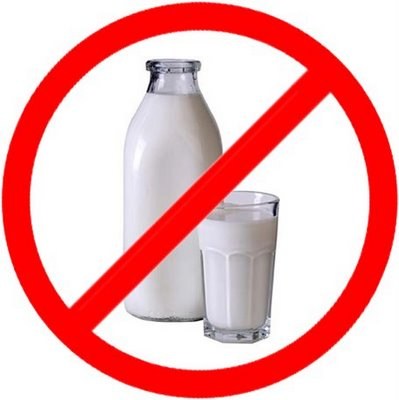
Recently the 2013 Super Bowl featured a Got Milk? commercial with celebrity Dwayne "The Rock" Johnson promoting milk for it's protein content. This 30 second commercial was sponsored by MilkPEP (Milk Processor Education Program). MilkPEP is conglomerate of several dairy industry processors with one goal in mind - to promote the sales of more milk and dairy. At an average cost of $3.7-$3.8 million for a 30 second Super Bowl commercial these dairy companies spent a fortune branding their product as something that's good for you. Unfortunately, millions of consumers will believe this marketing ploy. However, a quick look at the medical and scientific literature on milk products (and dairy in general) uncovers some dark secrets about these over glamorized and falsely advertised products. Here's 5 big reasons you may want to put the milk carton down for good.
The word cancer makes anyone stop dead in their tracks and shudder, literally, especially when this word comes from their doctor. Cancer is devastating. It's feared. It's deadly. It changes everything in life for the individuals affected by it as well as their family and friends. A number of questions follow for everyone involved. How bad is it? Is it terminal? How long do I have to live? Will I suffer the whole time? These are just a few questions many people have when facing this horrible disease. But probably the biggest question everyone has after the initial shock wears off is - What do I do now? The majority of people immediately dread the thought of weeks or months of chemotherapy and radiation that carry a myriad of awful side effects with their use. Many wonder - are these the best options available or are there any alternatives? If so, which ones work best for the specific cancer at hand? What are the safest and most cost effective options available?
If you’re disabled or are caring for someone with a disability, you must take careful consideration when completing daily tasks. Everything that you do must lean toward increasing the quality of life for you or the person in your life. Transportation for a disabled individual may include driving him or her to the grocery store in a handicap van so that he or she can select appropriate foods. Selecting healthy foods is high on the priority list of caring for a disabled person, and a plant-based diet can be the most beneficial choice for a person with a disability.
Benefits of a Plant-Based Diet
A plant-based diet can benefit a disabled person in many ways. Consuming these foods can improve the health of a person with just about any illness or ailment. Plant-based foods contain plenty of antioxidants and phytonutrients. These substances can prevent the development of cancerous cells and may help to retard the growth of existing cells. This diet can also work as a cleanser, clearing the body of disturbances and illness.
Dr. Don Wagner invited me to join him on his radio show once again! He's such a pleasure to work with and I'm always grateful to get the opportunity to do his show. This time we breakdown the topic of vitamin D and its role in maintaining excellent health.
As you may or may not know I'm one of the few pharmacists in the field of conventional medicine who's not a fan of pills whether they're obtained via the prescription pad or from buying them over-the-counter. I believe America has a pill obsession and it's only making our health worse. Instead I focus on educating others on the benefits of plant-based nutrition and lifestyle medicine which is why they call me the Plant-Based Pharmacist.
With that being said vitamin D is one of the few supplements/medications I feel everyone should seriously consider taking but only if their levels are low. Dr. Don and I do our very best to get to the bottom of this topic in the segment below as we provide some key insights into the world of vitamin D as it pertains to achieving a state of optimal health. I hope you find the show enjoyable and helpful!
If you like what you see here then you'll LOVE our dailyFacebookandTwitterposts! Also, don't forget to sign up for Our Free Online Mailing Listto get all the latest updates from the Plant-Based Pharmacist!
Check out Dustin Rudolph's book The Empty Medicine Cabinet to start your journey towards better health. This step-by-step guide leads you through many of today's common chronic diseases (heart disease, obesity, diabetes, cancer, and more), giving you the facts on foods versus medications in treating these medical conditions. The book also contains an easy-to-follow guide on how to adopt a whole foods, plant-based diet as a part of an overall lifestyle change, producing the best possible health outcomes for you and your family. Hurry and get your copy today!
We'd love for you to join us in spreading the good word about plant-based nutrition and lifestyle medicine by telling your family and friends about our website at www.PlantBasedPharmacist.com.
Share and rate this post below or tell us what you think by posting a comment. Thank you again for stopping by and until next time... be happy, be healthy, and live the life you've always dreamed of!
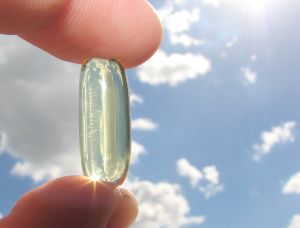
Vitamin D, also known as the sunshine vitamin, has become nothing short of a celebrity over the past few years. In fact, you would be hard pressed to find any doctor, pharmacist, or other healthcare practitioner who hasn't heard of all the health benefits it has to offer. From its role in making strong, healthy bones to improving heart health to decreasing the risk of cancer it seems as though there's nothing vitamin D can't touch.
This brings to mind several questions. Is vitamin D the new miracle pill, or is it simply a passing fad benefiting the bottom line of those with clever marketing skills selling supplements? And if vitamin D is really as prolific as they say it is then does everyone need to take it or just a particular segment of the population? How much is too little? Too much? Is it better to get vitamin D in the form of a pill or from the sun?
I hope to answer these questions and more as I sort through the vitamin D maze of confusion to offer practical, reliable, and evidenced-based information on exactly what you need to know about this new superstar of the supplement world.
What Is Vitamin D And How Does It Work?
Vitamin D is not a vitamin at all but rather a prohormone produced when the skin gets adequate amounts of exposure to ultraviolet B (UVB) rays from the sun [1]. The vitamin D produced by our skin is called vitamin D₃ or cholecalciferol [2]. Cholecalciferol is transported from our skin to the liver where it's metabolized into calcidiol, also known as 25(OH)D. Think of calcidiol as the storage form of vitamin D in our body, much the same way that a large amount of propane acts as the storage form of fuel inside a large holding tank ready and waiting to run various appliances inside a person's home. The propane cannot be used when stored inside the tank but without this supply a person cannot run the appliances located in their home when they need to. Calcidiol is the same, it needs to be converted into a usable form in order to be utilized by our body.
Back in the late 80's and early 90's the Partnership For a Drug-Free America launched a campaign to help fight narcotic drug abuse in the United States. It became known as the This Is Your Brain On Drugs campaign. It sparked a lot of attention in bringing to light the consequences of using illegal drugs on human health and brain function.
Now it's time for a new campaign. I call it the This Is Your Body On The Standard American Diet campaign. Animal-based and processed foods have been linked in numerous studies to a number of chronic diseases seen in today's world. Obesity, heart disease, type 2 diabetes, cancer, osteoporosis, dementia, diverticulitis, autoimmune diseases, ADHD, irritable bowel syndrome, and many others all are highly correlated to eating a diet consisting of meat, dairy, eggs, and processed foods. These are all preventable and/or reversible in many cases just by changing what's on your plate and adopting a whole foods, plant-based diet.
Not everyone realizes the consequences of their food choices and the resulting health implications from these choices. Part of the reason is because it may take years or even decades for these diseases to show up. I see the pain and suffering first hand every single day from these diseases as patient after patient shows up in the hospital I work at. Here's exactly what happens to those who continue to eat a SAD diet of animal-based and processed foods day after day.
There's a frightening trend sweeping the nation: allowing those on food assistance and food stamp programs to buy processed, prepackaged foods, including at fast food restaurants, as an alternative to using that assistance only at grocery stores. Despite the efforts of some states to restrict the types of junk food allowed to be purchased with food stamp or food assistance cards, more states are adopting the policy of letting recipients buy some of the unhealthiest foods on the market. However, for some these foods are simply the most economically viable option.
The Reality of the Situation
Unfortunately, fast food is often cheaper than high-quality or organic food. Because the budgets of families that receive food stamps must be counted out to the penny, a $5 meal at a fast food restaurant may seem like the only option when healthy and nutritious food from a grocery store may cost two or three times as much. With such limited income, the choice becomes less a matter of eating something healthy instead of a fast food hamburger and more an issue of simply trying to get the most food for the least amount of money.
Our modern, on-the-go world has become dependent on Starbucks, caffeine packed energy drinks, and/or a nicotine fix to make it to a state of functional each and every morning. This is most certainly due to a lack of sleep as many of us are failing to get enough zzz's. The popular vices of caffeine and nicotine only serve to undermine our health when instead a good night's sleep is usually all we need.
In the United States there are 50-70 million people who suffer from chronic sleep and wakefulness disorders [1]. The National Sleep Foundation states that adults need between 7-9 hours of sleep each night to stay in good health [2]. Getting the proper amount of sleep can do wonders for your health. Here's 10 health benefits of getting the proper amount of sleep.
We are all looking for ways to reduce the risk of disease and also reverse diseases we have such as high cholesterol, high blood pressure, heartburn, type II diabetes, gall bladder disease, overweight, heart disease, arthritis, gall bladder disease, and some cancers. Rightly so, more people are looking to the food they eat to improve their health.
This is evident when looking at the top book sales on amazon.com. Of the top 15 best selling books on health, five are books that show step by step how to improve health by improving eating habits. The #5 best seller is Prevent and Reverse Heart Disease, the Revolutionary, Scientifically Proven Nutrition-Based Cure,# 7 is Food, Inc., #10 Forks Over Knives, the Plant-Based Way to Health, #12 is Eat to Live: the Amazing Nutrient-Rich Program for Fast & Sustained Weight Loss, and #15 is The China Study.
Did you know eating soluble fiber found in some grains, fruits, vegetables, and beans can carry cholesterol out of the intestine along with waste and reduces your cholesterol by a few points? Green leafy vegetables, broccoli, tomatoes, and berries are protective against some cancers. And this is just a sample of how the right foods protect our health. Foods are not a substitute for working with our physician, but they play an important role in preventing and reversing these Western diseases.
If you like what you see here then you'll LOVE our dailyFacebookandTwitterposts! Also, don't forget to sign up for Our Free Online Mailing Listto get all the latest updates from the Plant-Based Pharmacist!
Check out Dustin Rudolph's book The Empty Medicine Cabinet to start your journey towards better health. This step-by-step guide leads you through many of today's common chronic diseases (heart disease, obesity, diabetes, cancer, and more), giving you the facts on foods versus medications in treating these medical conditions. The book also contains an easy-to-follow guide on how to adopt a whole foods, plant-based diet as a part of an overall lifestyle change, producing the best possible health outcomes for you and your family. Hurry and get your copy today!
We'd love for you to join us in spreading the good word about plant-based nutrition and lifestyle medicine by telling your family and friends about our website at www.PlantBasedPharmacist.com.
Share and rate this post below or tell us what you think by posting a comment. Thank you again for stopping by and until next time... be happy, be healthy, and live the life you've always dreamed of!
I'm sure that short, little tune takes you back to your playground days like it does me. I remember growing up and having a few laughs over one of nature's most smelly culprits. As goofy and childlike as the song may be it has a lot of truth beneath the verses within it.
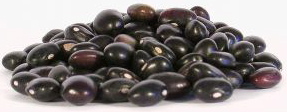
Beans are part of the legume family which also include lentils, peas, soy, and peanuts. While beans may be the butt of many flatulent jokes they have some incredible health benefits and should be included in one's diet if you're looking to lose weight and feel great.
There are several documentaries produced that will capture your curiosity and attention for an hour or two on a lazy, summer day but their message is usually long forgotten by the time you hit your pillow that night. Forks Over Knives defies this status quo as it leaves you thinking twice about everything you've ever grown up on and makes you question your future choices regarding the foods that you eat as it brings to light the outspoken lessons of how nutritional excellence is the key to a healthier nation and a better quality of life for all.
Forks Over Knives is the brilliant work of two legendary pioneers in our modern day healthcare system. One American biochemist, Dr. T. Colin Campbell, has over 50 years of distinguished work in the field of nutrition and health and one American surgeon, Dr. Caldwell Esselstyn, has worked tirelessly for decades at the world famous Cleveland Clinic to rid his patients of heart disease. These two men have teamed up to share their life long experiences in the fields of health and nutrition to educate the world on how to prevent and reverse chronic diseases with a plant-based diet.
America is living in a state of emergency when it comes to our overall health. This heartbreaking picture can be seen in some of the startling statistics that reveal the rates of heart disease, diabetes, and cancer just to name a few of the chronic diseases we see here in the U.S.
As a matter of fact, cardiovascular disease takes the life of an individual every 38 seconds in our country [1]. Diabetes is no better as a little over 5,200 people are diagnosed with this disease every single day in America, and this only includes those over the age of 20 who are diagnosed with diabetes [2]. And lastly, according to estimates from the American Cancer Society roughly 65 people die every hour from a cancer related death in the U.S. [3] These painful statistics are even worse for those individuals and families who live in poverty. But there is hope.
We've all seen the hype surrounding the Atkins diet. It's everywhere you look - in magazines, on supermarket shelves, in television ads, and possibly even in your healthcare provider's office. It's so popular that maybe you've even tried it or at least been thinking of trying it.
So how exactly does a low-carb, high-fat, high-protein diet work? And does eating all the bacon, steak, and eggs that you could possibly dream of really bode well for your overall health both in the short term and in the long run? Let's find out as we take a peek inside these low-carb diets and really get to the bottom of the science behind the bacon grease.
Ever find yourself in the produce section at the supermarket staring down two colorful apples wondering which one is worthy of making its way into your grocery cart? Both apples look the same but one has that familiar USDA Organic sticker plastered on it. One things for sure they definitely aren't priced the same.
With an average cost of 10%-40% higher[1] are organic foods worth it? Do they have more nutritional value? And does this make a difference to your overall health? I invite you to read further as I help you get to the bottom of all this organic talk so that you can make the decision that feels the best for you.
What Deems a Food To Be Organic?
The U.S. government establishes strict standards to be met for farmers before they can use the USDA Organic seal on their food products. A product can use the USDA Organic seal if it contains at least 95% organically produced ingredients.
The following chart shows the differences between organic vs. conventionally farmed food:
Does Organic Food Contain More Nutritional Value?
This question has created a lot of controversy over the past few decades as organic food has become increasingly more popular. More and more studies have been conducted in recent years factoring in things like farming methods, climate variability, food formulations, and harvest rates among other things to assess the nutritional content of our food in terms of its vitamin, mineral, phytochemical, antioxidant, and toxin load. Here's a few of the findings below.
● A study looking at organic and conventionally grown pears and peaches found that the organic fruits
had an improved antioxidant defense system (higher levels of polyphenols, PPO, vitamin C, &
vitamin E) in comparison with their conventionally grown counterparts [2]. Another study found that
organically grown strawberries have more antioxidant activity and anti-cancer effects than
conventionally grown strawberries [3]. Scientists suggest that this data shows that organically grown
food is in effect "beefing up" its own defense mechanisms to protect itself in the absence of
pesticides.
● A review in 2006 showed that organic foods had significantly higher amounts of antioxidants (vitamin
C, polyphenols, & flavanoids) and minerals in addition to lower levels of pesticide residues, nitrates,
and some heavy metal contaminations than conventionally grown crops. They concluded that
because of this organic crops had a higher nutritional value and a lower risk of causing disease due to
contamination [4].
● A number of studies have shown that organically grown food contains more dry matter (less water)
than conventionally grown fruits and vegetables [5,6]. An increase in dry matter means that there are
more nutrients per unit weight of food.
● One study looked at the nutrient content of eggplants cultivated over two successive years by both
conventional and organic methods. The study found that the organic crop was higher in potassium,
calcium, magnesium, copper, and phytochemicals called phenolics [7].
● Whole wheat production was studied over a 3 year period comparing organic and conventional crops.
The study found that there was no difference in concentrations of the phytochemicals (carotenoids &
phenolic acids) between the two groups. Instead, improved climate factors produced a 55%
increase in phytochemical composition in year to year production [8].
The best overall review to date of the nutritional value of organic vs. conventionally grown crops was published by The Organic Center in March of 2008. In this review they assessed the results of 97 peer-reviewed studies published over a 27 year period comparing the nutrient levels in organic and conventionally grown foods [9]. To determine the nutrient quality of the food they focused on 11 different nutrients using matched pairs which is defined as "crops grown on nearby farms, on the same type of soil, with the same irrigation systems and harvest timing, and grown from the same plant variety".
What they found was that organically grown crops had a 25% overall higher nutrient content than conventional crops. A little over 60% of the organic crops had higher levels of a disease fighting flavonol named Quercetin. Vitamin C was found in higher concentrations in approximately 50% of the organic crops compared to conventional crops. And to top it off they also found that 80% of the organic crop samples had a higher total antioxidant capacity than conventional crops!
The organic world is not without its critics though. An article titled "Nutritional quality of organic foods: A systemic review" published in 2009 in The American Journal of Clinical Nutrition claims that there was no evidence suggesting organically grown foods were nutritionally superior to conventionally grown foods. Come to find out this article originated as a report commissioned by the Foods Standards Agency (FSA) out of the UK. According to Paula Crossfield (co-founder and managing editor of civileats.com) the report was heavily biased and heavily tied to special interests of agribusiness, the dairy industry, Sara Lee Corporation, and one of UK's biggest grocery chains. You can read Paula's full review here about the misleadings in this article.
Does Organic Food Significantly Improve Your Overall Health?
It is clear from the scientific literature to date that organic food is certainly more nutritious and less toxic than conventional food but does this equate to better overall health and a lower risk of chronic diseases? You might be surprised by the answer to this as you'll soon find out.
Much of the published data on pesticide exposure and disease does show an increased risk in some cases. The biggest fear of many people is cancer. The National Cancer Institute states that "studies of people with high exposure to pesticides, such as farmers, pesticide applicators, manufacturers, and crop dusters, have found high rates of blood and lymphatic system cancers; cancers of the lip, stomach, lung, brain, and prostate; as well as melanoma and other skin cancers". Another study performed a meta-analysis on 40 case-controlled studies and found that exposure to pesticides for greater than 10-20 years was associated with a higher risk of Parkinson's disease but several other risk factors such as rural living, well-water consumption, and farming played a part as well [10]. Another study showed an increased risk of Alzheimer's disease in occupational workers exposed to pesticides [14].
So while there is a link to pesticide exposure and disease it appears that the highest risk is in those who have the greatest exposure (farmers, workers, etc.) and only after being exposed to high amounts over long periods of time. The amount of pesticide residue left on the food you buy is much lower than what these studies allude to.
An even more important aspect of this topic in regards to pesticide exposure and your overall health is what you can do to prevent the risk of disease from occurring. A large body of evidence points to the fact that consuming a nutrient dense, plant-based diet and avoiding processed and animal-based foods reduces your risk not only of cancer due to pesticide exposure but also many other chronic diseases (heart disease, diabetes, dementia, etc.).
The CDC actually reported in 2009 that the primary source of exposure to organochlorine pesticides was from fatty foods such as dairy products and fish [11]. So just by avoiding fatty animal-based foods you are already decreasing your exposure to pesticides.
The most influential evidence to date concerning diets relation to cancer has been conducted by Dr. T Colin Campbell who has spent over 40 years in nutritional research. Dr. Campbell conducted several studies on a known potent carcinogen called aflatoxin. In animal studies he was able to show that the cancer causing effects of aflatoxin could be "turned on" and "turned off" simply by how much protein was consumed. When more than 10% of the total calories were consumed as casein (animal based protein found in dairy) then cancer growth was ignited and tumors began to form [12]. He then conducted a similar experiment testing both animal protein (casein) and plant proteins (wheat and soy). This time he fed 3 different groups of lab animals a 20% protein diet (far exceeding the 10% needed to cause cancer growth) that consisted of either casein, wheat, or soy protein. Remarkably, the 20% wheat and soy groups had no signs of cancer growth while the 20% casein group all developed cancer [13].
Dr. Campbell's work is further validated by Dr. Joel Fuhrman's review of the scientific data on the benefits of eating a plant-based diet to reduce your risk of cancer as seen in the video below.
Summary & Final Thoughts
Organic foods have clearly been shown in a large body of scientific studies to have a higher nutritional value than their conventionally grown counterparts. However, even though eating non-organic foods increases your exposure to pesticides it doesn't mean that you're on the fast track to develop cancer and other debilitating diseases. What is more important is that you eat a diet that contains large amounts of nutrient dense, health promoting foods such as fruits & vegetables as well as legumes, whole grains, & nuts/seeds. By doing this you are arming yourself with an excellent defense mechanism against so many of the chronic diseases that we're experiencing today in our society. Your best bet is to eat a diet that consists 100% of these foods with the highest emphasis on fruits and vegetables. You can learn more about how to do this by visiting my website.
I'd also like to mention an excellent resource from the Environmental Working Group which publishes a list of foods from best to worst in relation to their pesticide exposure. I think you'll find their list very helpful if you're wondering which foods have higher amounts of pesticides compared to others.
In the end, I would say that if you can buy organically grown food products and they are readily available at a price that you can afford then you should absolutely do it. But more importantly, you should eat a nutrient dense, plant-based diet and stay away from processed and animal-based foods regardless of their organic or inorganic nature if you want to do what's best for your overall health.
If you like what you see here then you'll LOVE our dailyFacebookandTwitterposts! Also, don't forget to sign up for Our Free Online Mailing Listto get all the latest updates from the Plant-Based Pharmacist!
Check out Dustin Rudolph's book The Empty Medicine Cabinet to start your journey towards better health. This step-by-step guide leads you through many of today's common chronic diseases (heart disease, obesity, diabetes, cancer, and more), giving you the facts on foods versus medications in treating these medical conditions. The book also contains an easy-to-follow guide on how to adopt a whole foods, plant-based diet as a part of an overall lifestyle change, producing the best possible health outcomes for you and your family. Hurry and get your copy today!
We'd love for you to join us in spreading the good word about plant-based nutrition and lifestyle medicine by telling your family and friends about our website at www.PlantBasedPharmacist.com.
Share and rate this post below or tell us what you think by posting a comment. Thank you again for stopping by and until next time... be happy, be healthy, and live the life you've always dreamed of!
References:
1 Winter, C. K. and Davis, S. F. (2006), Organic Foods. Journal of Food Science, 71: R117–R124. doi: 10.1111/j.1750-3841.2006.00196.x
2 Carbonaro M, Mattera M, Nicoli S, et al. Modulation of antioxidant compounds in organic vs conventional fruit (peach, Prunus persica L., and pear, Pyrus communis L.). J Agric Food Chem. 2002 Sep 11;50(19):5458-62.
3 Olsson ME et al. Antioxidant levels and inhibition of cancer cell proliferation in vitro by extracts from organically and conventionally cultivated strawberries. J Agric Food Chem. 2006 Feb 22;54(4):1248-55.
4 Györéné KG, Varga A, Lugasi A. A comparison of chemical composition and nutritional value of organically and conventionally grown plant derived foods. Orv Hetil. 2006 Oct 29;147(43):2081-90.
5 K Woese, D Lange, C Boess, KW Bogl, A comparison of organically and conventionally grown foods: results of a
review of the relevant literature, Journal of Science, Food and Agriculture, 74, 281-293, 1997.
6 V Basker, Comparison of taste quality between organically and conventionally grown fruit and vegetables, American
Journal of Alternative Agriculture, 7, 129-135, 1992.
9 Benbrook C, Zhao X, Yáñez J, Davies N, Andrews P. State of Science Review: Nutritional Superiority of Organic Foods. 2008 March. Available: http://www.organic-center.org/reportfiles/5367_Nutrient_Content_SSR_FINAL_V2.pdf. Accessed 7 Jan 2011.
10 Brown TP et al. Pesticides and Parkinson’s Disease-Is There a Link? Environ Health Perspect 114:156–164 (2006).
11 United States Center for Disease Control Fourth National Report on Human Exposure to Environmental Chemicals: Organochlorine Pesticides.
12 Dunaif GE, Campbell TC. Dietary protein level and aflatoxin B1-induced preneoplastic hepatic lesions in the rat. J Nutr. 117 (1987): 1298-1302.
13 Schulsinger DA, Root MM, Campbell TC. Effect of dietary protein quality on development of aflatoxin B1-induced hepatic preneoplastic lesions. J Natl Cancer Inst 81 (1989): 1241-1245.
14 Hayden KM, Norton MC, Darcey D. Occupational exposure to pesticides increases the risk of incident AD. Neurology. 2010 May 11;74(19):1524-30.
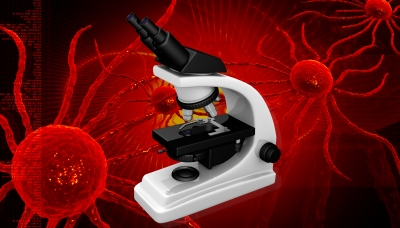
"You've got cancer." These are words that no patient wants to hear from their doctor. The impact of those three words can be devastating and has affected millions of individuals and families in the U.S. and worldwide. In fact, it’s estimated that over 1.5 million people in the U.S. will be diagnosed with cancer this year and a little over 500,000 will die from cancer in 2010¹.
Modern medicine has come a long way in it's attempt to tackle cancer. Five year survival rates for all cancers in the U.S. was at approximately 50% in the mid 1970’s and has climbed to 68.5% as of 2002¹. The conventional forms of cancer treatment include surgery, radiation, and chemotherapy. All of these approaches aim to remove or kill the existing cancer cells and have been proven effective in many cases but they usually come with a price. Many patients experience extreme fatigue, hair loss, nausea, vomiting, complications from surgery, etc.
But what if there was a different way to approach cancer? An approach that could either compliment conventional treatments or even prevent cancer from developing in the first place. And what if this approach had little to no side effects? Wouldn’t this be revolutionary in our war against cancer?
It turns out that there is a safe and very effective way to prevent and/or treat cancer that has been flying under the radar for years. This approach has to do with the foods we consume. What we eat has a huge impact on the development and progression of cancer in our bodies. There are two main concepts that I want to talk about today by which food enacts its cancer fighting powers.
The first concept deals with the ability of different amounts and forms of protein to either turn on or turn off cancer cell growth. This theory was first discovered in an experiment done in India in 1968. A known carcinogen called aflatoxin was given to rats which had been shown to predispose them to liver cancer. One group of rats was fed a 20% protein diet while the other group was fed a 5% protein diet. The 20% protein group all developed liver cancer and died while none of the 5% protein group acquired cancer and they remained healthy². This experiment was repeated by Dr. Campbell and colleagues in 1992 when they divided up two groups of rats and fed them either a 20% or 5% casein diet (casein is an animal-based protein that makes up approximately 80%-87% of the protein content in milk). Dr. Campbell’s experiment produced the very same results³.
Dr. Campbell wanted to take this one step further and decided to design another experiment where he divided the rats up into 3 separate groups. The first group was fed a 20% casein (animal-based protein) diet. The second group was fed a 20% soy (plant-based protein) diet. And the third group was fed a 20% gluten (plant-based protein from wheat) diet. All the rats were again given the known carcinogen aflatoxin and the results were rather remarkable. The 20% casein group all developed cancer while the 20% soy and gluten group was found not promote cancer growth⁴.
It has become quite evident that both the amount and the type of protein consumed plays a major role in cancer development. Plant-based proteins appear to be safe and effective at preventing cancer development and progression while too much animal-based protein does the exact opposite. The cutoff point for the ability of animal-based proteins to “turn on” cancer growth was shown by Dr. Campbell to be at the 10% mark⁵. In essence, you have the ability to either “turn on” or “turn off” cancer growth based on the foods that you eat.
The second concept that I want to cover is a newer area of research involving antiangiogenic treatments to fight off cancer. Angiogenesis is defined as the growth of new blood vessels from existing ones. Why is this important in the battle against cancer? Because cancer cells much like normal cells can’t grow and develop unless they are supplied with oxygen and nutrients to do so. It makes sense doesn’t it?
There are a handful of new medications that have been FDA approved to fight different forms of cancer by exerting antiangiogenic effects on the existing cancer tumors. While these new medications are proving beneficial they also have side effects (although much less pronounced than conventional chemotherapy) that include elevated blood pressure, bleeding problems, mild blood clotting, skin toxicities, diarrhea, fatigue, nausea, etc. They should not be discounted though and are definitely worth discussing with your oncologist if you’re finding yourself battling cancer.
What’s even more exciting is that you can still get these same antiangiogenic effects from foods that you eat without any of the side effects that the medications exhibit. Plant-based foods which predominantly include fresh fruits and vegetables exert these same benefits and are equally or even more effective than various medications used as antiangiogenic therapy. And not only can you obtain the benefits from these foods while battling cancer you can also consume these foods as a method of preventing cancer development in the first place. This is truly exciting and empowering news!
To learn more about this subject please watch the following video by Dr. William Li (President, Medical Director, and Co-founder of the Angiogenesis Foundation).
Dr. Keith Block has also revolutionized the approach to treating cancer by combining both conventional strategies (chemotherapy, radiation, etc.) with alternative and often safer progressive strategies (antiangiogenic, nutritional, & supplemental treatments). Dr. Block founded and currently runs the Block Center which focuses on Integrative Cancer Treatment. He has also written a very resourceful and useful book for cancer patients titled Life Over Cancer that you can check out below.
In conclusion, based on what science has shown us it is quite clear that you can dramatically reduce your chances of getting cancer if you consume a diet that consists of less than 10% of it’s total caloric intake from animal-based proteins and consume more plant-based foods that are rich in cancer fighting substances such as phytochemicals, anti-oxidants, vitamins, and minerals. To learn more about how to do this please visit my website below.
I wish you the very best in your quest to prevent or even fight cancer whatever your situation may be. A life without cancer would be a true blessing. Even though we never have a 100% guarantee on whether or not cancer will be in our future just knowing that you have a significant amount of control over this is a very comforting feeling.
If you like what you see here then you'll LOVE our dailyFacebookandTwitterposts! Also, don't forget to sign up for Our Free Online Mailing Listto get all the latest updates from the Plant-Based Pharmacist!
Check out Dustin Rudolph's book The Empty Medicine Cabinet to start your journey towards better health. This step-by-step guide leads you through many of today's common chronic diseases (heart disease, obesity, diabetes, cancer, and more), giving you the facts on foods versus medications in treating these medical conditions. The book also contains an easy-to-follow guide on how to adopt a whole foods, plant-based diet as a part of an overall lifestyle change, producing the best possible health outcomes for you and your family. Hurry and get your copy today!
We'd love for you to join us in spreading the good word about plant-based nutrition and lifestyle medicine by telling your family and friends about our website at www.PlantBasedPharmacist.com.
Share and rate this post below or tell us what you think by posting a comment. Thank you again for stopping by and until next time... be happy, be healthy, and live the life you've always dreamed of!
References:
1Altekruse SF, Kosary CL, Krapcho M, et al. SEER Cancer Statistics Review, 1975-2007, National Cancer Institute. Bethesda, MD, http://seer.cancer.gov/csr/1975_2007/, based on November 2009 SEER data submission, posted to the SEER web site, 2010.
2Madhavan TV, Gopalan C. The effect of dietary protein on carcinogenesis of aflatoxin. Arch Pathol. 1968 Feb;85(2):133-7.
3Youngman LD, Campbell TC. Inhibition of aflatoxin B1-induced gamma-glutamyltranspeptidase positive (GGT+) hepatic preneoplastic foci and tumors by low protein diets: evidence that altered GGT+ foci indicate neoplastic potential. Carcinogenesis. 1992 Sep;13(9):1607-13.
4Schulsinger, DA, Root, MM, Campbell, TC. Effect of dietary protein quality on the development of aflatoxin B1-induced hepatic preneoplastic lesions. J. Nat'l. Canc. Inst. 81, 1241-1245 (1989).
5Dunaif, GE. Campbell, TC. Dietary Protein Level and Aflatoxin B1-Induced Preneoplastic Hepatic Lesions in the Rat. J Nutr. 1987 Jul;117(7):1298-302.








.jpg "The Empty Medicine Cabinet")








 Posts
Posts


