Wednesday, August 29, 2012

A Mother's Story Of Reversing Type 2 Diabetes


Imagine being faced with one of the most difficult decisions of your entire life. A decision of whether or not to let another human being live or die. By choosing life, it may result in years of surgery for this person, the possibility of retardation, and even the chance of them being put into a vegetative state. By choosing death, it means letting go of a newly formed bond and love so strong that you don't know if you could possibly forgive yourself for making such a decision.

This is the exact decision that Cherise Scally and her husband, Michael, were faced with as they looked into the eyes of their precious baby girl weighing only 1 lb. 11 oz. Nicole had been born nearly three and a half months early and was currently on life support in the neonatal intensive care unit (NICU). She was suffering from a severe infection called sepsis which is a life threatening infection in the blood. Sepsis is actually the seventh leading cause of death for infants in the United States [1]. In Nicole's case, it was likely due to Cherise's water breaking early and the resulting preterm delivery. Cherise had just been admitted to the hospital a few days earlier due to diabetic complications. Her blood sugars were fluctuating wildly between 165 and 485 and she nearly suffered a diabetic coma. She had no idea she was in such critical condition.

Wednesday, August 15, 2012

Strength Training For Triathlon

by guest blogger Lincoln Davis


Strength Training for Triathlon

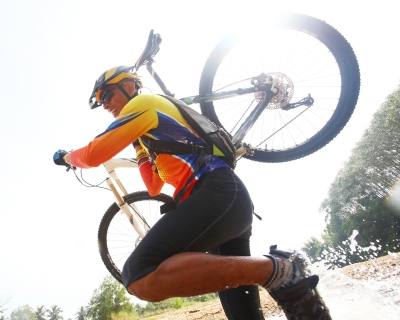
Strength training in endurance sports like triathlon is one favorite topic of debate. In the ideal world, the top athletes incorporate some strength workout that includes weight lifting into their training. However, in practice, everyday people who are not after award plaques find that including some form of weight lifting to an already full schedule of biking, swimming and running more of an exception than a rule. Is it really necessary? Will you benefit from it?

Misconceptions

One common misconception is that strength training is just ‘all show, but no go.’ It can look great on a man’s body form, but it does not contribute to performance on endurance races. It takes more effort to move especially in running and biking, and is just considered a waste of energy and training time. Women who race also have a misconception that weight lifting can lead to a bulky figure. It is for this reason many women do not even attempt to do any necessary weight training for a race.  

Wednesday, August 8, 2012

Athletes Fuel Up On Plant Protein

by guest blogger Jody Perrecone


Scott Jurek- six time ultramarathoner winner, Patrick Neshek- Minnesota Twins relief pitcher, Brendan Brazier-ironman triathlete, Mac Danzig – ultimate fighting champion, Martina Navratilova – 18 time Grand Slam tennis champion, Robert Parish – Boston Celtics Hall of Famer, Arian Foster – NFL Pro Bowl 2010 and 2011, Rich Roll - world champion ultra man, Billie Jean King – #1 ranking in tennis five times, Carl Lewis nine time Olympic Gold Metal winner and world’s fastest human, Dave Zabriskie – Tour de France winner, Timothy Bradley - WEO welterweight champion – what do these athletes have in common?  #1 - they are all world-class elite athletes. #2 - they are all vegans (don’t eat meat or dairy products).

Wednesday, August 1, 2012

Gardening As A Natural Stress Reliever

by guest blogger Mark Carol


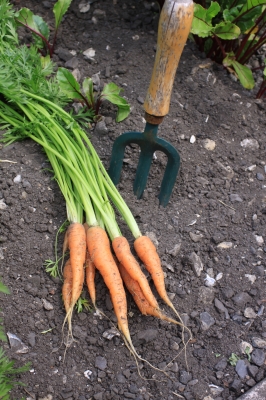
Work, family, bills, and other obligations and responsibilities can make stress a part of your daily life. Stress can help you get motivated, but too much stress can increase your risk for illnesses such as stroke, heart attack, and high blood pressure. Natural stress reducing activities, like gardening, can be an ideal solution to finding a peaceful balance in your life.

The Benefits


Gardening has been shown to have many health benefits. In fact, the activity is recommended by the JAMA, or the Journal of the American Medical Association, to lower the risk of developing Alzheimer's disease by nearly fifty percent. According to Capital District Community Gardens, tending a garden alleviates stress by immersing you in nature. Gardening requires dedication, care and patience to be successful. When tending your flowers, fruits and vegetables, you are spending time on something that redirects for attention away from daily stress. Gardening also provides you with real results that you can share with family, friends and neighbors.

Wednesday, July 25, 2012

The Gluten-Free Diet - Is It Right For You?


It seems that gluten-free dieting is all the rage nowadays. Everywhere you look there's signs and advertisements from food manufacturers proudly displaying their gluten-free products. Health food stores actually have entire sections dedicated to gluten-free items. So what's going on? What's all the hoopla about and is it pertinent to you?

Gluten-Related Disorders


Gluten is the main structural protein found in wheat and other cereal grains such as rye and barley[1]. It can cause serious health related complications for some when consumed in the diet. Oats have also been debated to be in this category of potentially harmful foods although there is still much controversy surrounding this in the scientific community[2]. I'll have more information on this later on.

Currently there are three known types of gluten-related disorders—wheat allergy, celiac disease, and gluten sensitivity[3]. They are all distinctly different yet share some of the same characteristics of one another. None of them are as highly prevalent in the general population as the manufacturers of gluten-free food products would like you to believe. As a result, many people are likely adhering to a gluten-free diet without any specific medical or scientific reason to do so. While gluten may be toxic for some it can be part of a healthy diet for a majority of the population.

Here's a closer look at the three different gluten-related disorders[3]:

Wednesday, July 11, 2012

The Plant-Based Pharmacist's Favorite Recipe Sites


For approximately three years I've been writing on the science and health benefits of plant-based diets. This kind of information is very important for understanding why you should follow a plant-based diet. However, many people (especially newcomers to the plant-based world) are left wondering how to "do" a plant-based diet. They need ideas for meals and recipes to make it happen. To help with this, I've compiled my list (in no particular order) of favorite whole foods, plant-based recipe sites for you to check out. I hope you find them useful. Go ahead, indulge a little!

Whole Food, Plant-Based Recipe Sites


1) Straight Up Food - Cathy Fisher is a certified nutritionist who works closely with Dr. John McDougall providing cooking classes at the McDougall Program. She also currently teaches cooking classes at the True North Health clinic in Santa Rosa, CA. Her recipes avoid all animal products as well as oil, salt, and refined flours and sugars.

2) Happy Herbivore - Lindsay Nixon is the author of 3 books including The Happy Herbivore Cookbook. Her site includes fabulous whole food recipes with no added fats (including oil), refined flours, or sugars. She has a number of easy to make plant-based recipes to choose from.

Wednesday, June 27, 2012

Food Fight! - Overcoming The Social Stigma Of Going Veg


Being different isn't always easy and so goes the life of those who choose to be vegetarian or vegan. The choice of what one eats is very personal. Every single time one of us puts something in our mouth there's something deeply moving about this experience wether we realize it or not. Don't think this is the case? Try imagining going without your favorite foods for a month. Now imagine never being able to eat these foods for the rest of your life. Things just got a little more personal didn't they?

We've all grown up eating certain foods and developing certain tastes which have secretly molded our decision making process come each meal time. In America this may mean lunch served from a drive through window, a night out to your favorite seafood restaurant, or a plate full of meat and potatoes grilled to perfection during a backyard barbecue (this is how I grew up). So it's no wonder that if you decide to give this all up and adopt a diet consisting only of healthy, wholesome, plant-based foods things can quickly become a problem, especially in the social aspect of life.

Family, friends, and strangers alike will probably think you've gone off the deep end by making such drastic changes in your food selections. This happened to me and still happens from time to time even though I took the plunge over 3 years ago to this lifestyle. I'm here to tell you that you're not alone in your feelings of isolation and rejection if this is what's happened or is happening to you in your life. Nor are you destined to live a life of a veggie hermit because the rest of the world sees things differently than you. We all view and experience life differently. After all, it's what makes life so beautiful by providing us with uniquely different perspectives from our woven traditional ways. We can learn from these unique perspectives just as others can learn from us even when our differences are so personal and steadfast (like what we eat). Getting past these "Food Fights" is crucial in fostering loving, nurturing relationships for the rest of your life. My goal in this article is to share with you ways to make this easier so that you can enjoy all the benefits that come with your new food selections without sacrificing the social and loving aspects of your current and future relationships with the people you love most in life.

Tuesday, June 19, 2012

Healthy Eating While Abroad


by guest blogger Rob Toledo


So you’re completely prepared for your trip. Your bags are packed, passport ready, currency exchange complete… But you also happen to be someone who focuses on healthy eating. This can pose a bit of a problem while abroad, but here are some helpful tips before you hit the road.
Eating healthily while traveling abroad can present the same kind of challenges as eating at a restaurant at home. It’s just hard to know for sure how good a dish is for you when you don’t know how it was prepared. But there’s one big difference: in a foreign country, you might not have the language skills or knowledge of ingredients to be able to ask the questions you need to know, like, “Is this fried?” or, “Are these rice and beans made with meat products?”
Still, eating healthily abroad isn’t entirely out of the question, just as long as you get a little strategic.

Go vegetarian or vegan

Yes, this is probably the most difficult way to eat while traveling, especially since so many cultures view meat as a rare delicacy and a gift for visitors. But it’s very difficult to know where meat came from and how it was prepared. Better to stick to vegetables and whole grains whenever you can and avoid the risk of illness.

Know the most important lingo

Just like at home, the best way to determine whether or not a meal is healthy is to ask a lot of questions. What kind of vegetables does the dish have? Does it use brown or white rice? Look up key terms ahead of time, especially if you’re going to be eating vegetarian in a culture that’s heavily meat-based. In general, it’s best to stick to appetizers, which on a whole tend to be healthier and of smaller portions than main meals.

Get social

In some cultures, “vegetarian” can mean “there’s one carrot on the plate” or “we picked out the meat.” Even “salad” in Britain can mean something different than it does here; most often, a lowly shred of iceberg lettuce.Try reaching out to English-speaking locals on social media sites like Twitter ahead of time to run your phrasing past them. You can also enlist your tour guide or someone who works at your hostel or hotel to write out a more complete message to hand to the waiter.

Prepare your own food

Before you leave, look up staple crops in your destination country and research a few good recipes. This won’t prevent you from experiencing the culture if you seek out local recipes filled with vegetables and whole grains. In fact, browsing through farmer’s markets can give you a truly unique cultural experience. Fruit and vegetables are often available very cheaply and are a great way to keep your fiber intake high. However, if you’re going to be visiting a country with different sanitary habits than our own, go for thicker skinned veggies and fruit to avoid catching any local bugs.

Pack your own supplies

Before you leave home, go shopping for dried fruit, trail mix and energy bars made without hydrogenated oils. While none of these options are ideal as a long term strategy, they make a good tide over option when you’re in a bind. It’s also good to pack your favorite spices as an easy way to take that bland dish filled with random ingredients up to the next level.

Travel to healthy eating hubs

If you’re really set on healthy eating while abroad, travel to places known for their healthy cuisine. India and much of Southeast Asia can be a great option for vegetarians just as long as you stay away from heavy creams. And Greece is heaven for people who love their vegetables.

No matter where you go, healthy eating is possible, though do forgive yourself if you slip up once in awhile. After all, there’s no harm in embracing that local delicacy once in awhile, just as long as you stay healthy the rest of the time. When authentic local cuisine combines with healthy eating, there’s nothing quite like it.

Rob Toledo loves world travel. His ultimate goal is to have visited 100 countries in his lifetime. He recommends doing lots of research about a country before visiting, using a currency converter to avoid scams, and making sure to always have something a little healthier packed away in your bag to ensure the best healthy eating while abroad.

photo credit: Spieke (Wikimedia)


If you like what you see here then you'll LOVE our daily Facebook and Twitter posts!  Also, don't forget to sign up for  Our Free Online Mailing List  to get all the latest updates from the Plant-Based Pharmacist!
by Dustin Rudolph, PharmD
Clinical Pharmacist

Check out Dustin Rudolph's book The Empty Medicine Cabinet to start your journey towards better health. This step-by-step guide leads you through many of today's common chronic diseases (heart disease, obesity, diabetes, cancer, and more), giving you the facts on foods versus medications in treating these medical conditions. The book also contains an easy-to-follow guide on how to adopt a whole foods, plant-based diet as a part of an overall lifestyle change, producing the best possible health outcomes for you and your family. Hurry and get your copy today!

We'd love for you to join us in spreading the good word about plant-based nutrition and lifestyle medicine by telling your family and friends about our website at www.PlantBasedPharmacist.com

Share and rate this post below or tell us what you think by posting a comment. Thank you again for stopping by and until next time... be happy, be healthy, and live the life you've always dreamed of!

Tuesday, June 12, 2012

Calcium In Broccoli — Really?

by guest blogger Jody Perrecone


We have all heard the slogan – “Milk – it does the body good.”  But does it? A 12 year Harvard Study showed women who drank 3 glasses of milk a day had more bone fractures than those who drank very little milk. The National Dairy Council website, www.nationaldairycouncil.org, states “the 2010 Dietary Guidelines for Americans recognizes that moderate evidence shows that milk and milk products are linked to improved bone health.”  Moderate evidence?  A government report published in the journal, Pediatricsconcluded dairy products were “not necessarily the best way” to provide needed calcium. Because the body becomes more acidic when dairy products are consumed, it pulls calcium from the bones to neutralize the acid. Also hormones given to cows are found in its milk.
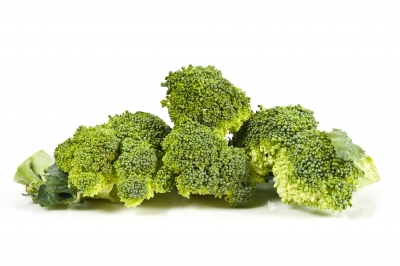
So what are good sources of calcium?  Surprisingly  broccoli, collard greens, kale, bok choy, Brussel sprouts, beans, legumes, figs, nuts, seeds, and fortified orange juice are better absorbed by the body than milk and other dairy products.  They also have a bonus of providing fiber and a variety of vitamins and minerals including vitamin K, folate, iron, and antioxidants.  Bone health can also be improved by not smoking, consuming less sodium, getting 15 minutes of sunlight a day, and exercise.


Tuesday, June 5, 2012

Balancing The Vegan And Athlete In You

by guest blogger Holly VicHammond


Contrary to popular belief, it is possible to commit to a vegan lifestyle and also be an athlete. Most of the sports world subscribes to eating a substantial amount of protein as part of a training diet. Protein ensures peak physical condition, muscular repair after workouts and success in a given fitness-related endeavor. Though vegan meals might take a little more planning, it is possible to be a successful athlete who does not consume any animal products. Plant-based eaters simply have to rely on a bit more strategy. 
Whether an athlete chooses to be a vegan for personal, ethical or religious reasons, they will need to pay special attention to ensure they’re consuming the proper nutrients to fuel their workouts. Many successful athletes and famed fitness trainers, such as distance runner Scott Jurek, television fitness trainer Bob Harper, bodybuilder Mike Mahler and football player Ricky Williams, choose to live a vegan lifestyle. Clearly it is possible for athletes to eat vegan, thrive and achieve great success in their chosen sport.

Tuesday, May 29, 2012

Overdosed On Sugar - A Nation's Health In Decline


If you're like me then you've probably lived your whole live longing for that sugar fix on a daily basis whether you consciously seek it out or just find yourself munching on sugar laden junk food for no reason. That's because sugar is addictive just like any other drug. In fact, experiencing a "hit" from sugar, whether it be via a candy bar or your favorite sugary drink, has the same effect on the human brain as cocaine and other drugs of abuse do [1]. Both cause a surge in the brain chemical known as dopamine. Dopamine is responsible for producing pleasure sensations deep within the brain.

Consuming sugar is not necessarily a bad thing when done so by seeking out natural foods such as fruit, baby carrots, or other products made by Mother Nature. The problem we face today is that sugar is literally added to everything we eat including bread, ketchup, sweetened beverages, and even baked beans. Yes, that's right - baked beans! Refined and added sugars have become a major problem over the last few decades in the western diet, and it's only adding to the ongoing healthcare crisis we're seeing today.

Monday, May 21, 2012

5 Ways To Improve Your Posture

by guest blogger John Moore

Having great posture is one of the best things you can do to look and feel young. Furthermore, not much else can do such a good job in maintaining strong, healthy bones. Good posture should begin at a very young age, because that is when most habits and skills can be engrained in your psyche the best. Some of the reasons people today have such poor posture is because no one instructed them as kids, and now old habits are so hard to break. So, change those habits now!

1. Stretching


It is important to keep your body moving throughout the day. If you work at a sedentary job and are sitting a lot, take time every 30 minutes or so and stretch. Take a short walk down the hallway, or just stand and stretch all your extremities. This will keep the body and bones limber AND keep you from wanting to slouch, since you won’t be as tired.


2. Support


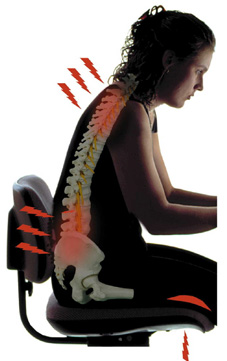
If you’re sitting all day long in an office, it’s important that you are using a high-backed chair that is going to have a lot of lumbar support. The best position is with the back all the way back against the chair and your hips as far back as possible. Sometimes, you may find that there is not enough support between your back and the back of the chair, and if that is the case, you should use a towel or pillow to provide some support. Make your work or office space ergonomically fit for you, and no one else. Sitting in a chair or behind a computer for hours on end can cause a lot of back pain, and once it starts, it’s really hard to fix.


Tuesday, May 15, 2012

Plant-Based Diet For The Disabled

by guest blogger Holly VicHammond


If you’re disabled or are caring for someone with a disability, you must take careful consideration when completing daily tasks. Everything that you do must lean toward increasing the quality of life for you or the person in your life. Transportation for a disabled individual may include driving him or her to the grocery store in a handicap van so that he or she can select appropriate foods. Selecting healthy foods is high on the priority list of caring for a disabled person, and a plant-based diet can be the most beneficial choice for a person with a disability.

Benefits of a Plant-Based Diet

A plant-based diet can benefit a disabled person in many ways. Consuming these foods can improve the health of a person with just about any illness or ailment. Plant-based foods contain plenty of antioxidants and phytonutrients. These substances can prevent the development of cancerous cells and may help to retard the growth of existing cells. This diet can also work as a cleanser, clearing the body of disturbances and illness.

Wednesday, May 9, 2012

New Study Highlights Effects Of Sleep Deprivation

by guest blogger Erica Moss


30 percent of adults in the U.S. are not getting enough sleep.
That’s according to data from the 2010 National Health Interview Survey, published in the April 27 issue of the Center for Disease Control’s Morbidity and Mortality Weekly Report. It’s a pretty sobering statistic, isn’t it?
This percentage constitutes about 40.6 million workers, all of whom are sleeping six or fewer hours each day. Of these workers, 44 percent work night shifts and 28.8 percent work during the day. The most common professions in which a worker is likely to be sleep deprived are law enforcement and fire officials, health care workers, security personnel, retail associates in 24-hour stores, and transportation workers. These are all jobs that often require employees to work nights, sometimes consecutively, and sometimes even after a full shift during the day. 

Friday, May 4, 2012

What You Need To Know About Frozen Shoulder


by guest blogger Veronica Hayes

Frozen shoulder is a condition that can happen to anyone. It happens when the joint capsule of the shoulder becomes very inflamed, which causes the shoulder to become very stiff, with a loss of range of motion. There is no specific cause for frozen shoulder, but the most obvious symptom is pain. Your doctor can perform x-rays and an MRI, but it probably won't show anything. It is mainly diagnosed symptoms.

Before diagnosing you with frozen shoulder, a doctor will first have to rule out other conditions, such as arthritis, degenerative arthritis, and injury to the tendons around the shoulder. Once diagnosed, it can be a lengthy process to heal, and regaining full range of motion can typically take 6-9 months.


Symptoms

- Severe pain in your shoulder
- Stiff shoulder
- Difficulty with daily tasks
- loss of range of motion


Exams and Tests

- X-rays
- MRI
- Blood work