Showing posts with label osteoporosis. Show all posts

Wednesday, February 27, 2013

Milk - It Does A Body Bad, Really Bad!


Recently the 2013 Super Bowl featured a Got Milk? commercial with celebrity Dwayne "The Rock" Johnson promoting milk for it's protein content. This 30 second commercial was sponsored by MilkPEP (Milk Processor Education Program). MilkPEP is conglomerate of several dairy industry processors with one goal in mind - to promote the sales of more milk and dairy.  At an average cost of $3.7-$3.8 million for a 30 second Super Bowl commercial these dairy companies spent a fortune branding their product as something that's good for you. Unfortunately, millions of consumers will believe this marketing ploy.

However, a quick look at the medical and scientific literature on milk products (and dairy in general) uncovers some dark secrets about these over glamorized and falsely advertised products. Here's 5 big reasons you may want to put the milk carton down for good.

Tuesday, June 12, 2012

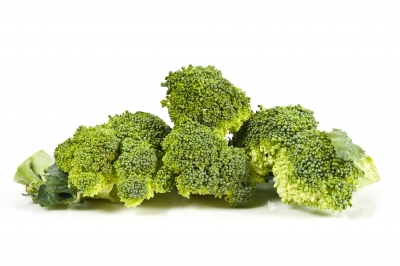
Calcium In Broccoli — Really?

by guest blogger Jody Perrecone


We have all heard the slogan – “Milk – it does the body good.”  But does it? A 12 year Harvard Study showed women who drank 3 glasses of milk a day had more bone fractures than those who drank very little milk. The National Dairy Council website, www.nationaldairycouncil.org, states “the 2010 Dietary Guidelines for Americans recognizes that moderate evidence shows that milk and milk products are linked to improved bone health.”  Moderate evidence?  A government report published in the journal, Pediatricsconcluded dairy products were “not necessarily the best way” to provide needed calcium. Because the body becomes more acidic when dairy products are consumed, it pulls calcium from the bones to neutralize the acid. Also hormones given to cows are found in its milk.
So what are good sources of calcium?  Surprisingly  broccoli, collard greens, kale, bok choy, Brussel sprouts, beans, legumes, figs, nuts, seeds, and fortified orange juice are better absorbed by the body than milk and other dairy products.  They also have a bonus of providing fiber and a variety of vitamins and minerals including vitamin K, folate, iron, and antioxidants.  Bone health can also be improved by not smoking, consuming less sodium, getting 15 minutes of sunlight a day, and exercise.


Wednesday, December 14, 2011

This Is Your Body On The Standard American Diet (SAD)

Back in the late 80's and early 90's the Partnership For a Drug-Free America launched a campaign to help fight narcotic drug abuse in the United States. It became known as the This Is Your Brain On Drugs campaign. It sparked a lot of attention in bringing to light the consequences of using illegal drugs on human health and brain function.

Now it's time for a new campaign. I call it the This Is Your Body On The Standard American Diet campaign. Animal-based and processed foods have been linked in numerous studies to a number of chronic diseases seen in today's world. Obesity, heart disease, type 2 diabetes, cancer, osteoporosis, dementia, diverticulitis, autoimmune diseases, ADHD, irritable bowel syndrome, and many others all are highly correlated to eating a diet consisting of meat, dairy, eggs, and processed foods. These are all preventable and/or reversible in many cases just by changing what's on your plate and adopting a whole foods, plant-based diet.

Not everyone realizes the consequences of their food choices and the resulting health implications from these choices. Part of the reason is because it may take years or even decades for these diseases to show up. I see the pain and suffering first hand every single day from these diseases as patient after patient shows up in the hospital I work at. Here's exactly what happens to those who continue to eat a SAD diet of animal-based and processed foods day after day.

Wednesday, December 1, 2010

Acid/Base Balance - How Do Your Favorite Foods Stack Up?


Many of us go about our daily routines of eating our favorite foods without giving it a second thought.  It never crosses our mind to think about how the acidic or alkaline nature of these foods affect our overall health.  At least I don't hear my family, friends, or co-workers remarking how the methionine content of their food is raising their homocysteine levels.  That would be an interesting topic of conversation to say the least don't you think?


But this topic of food and acid/base balance is very important for many reasons.  My hope today is to give you a basic understanding of how all this works so that you'll be able to make better informed decisions regarding your overall health.


Your body functions best and avoids diseases when an alkaline or basic state is achieved.  An acidic environment does just the opposite and reeks havoc on many different organs and systems.  Your lungs, liver, kidney, and digestive tract are all involved in maintaining an alkaline state in your body [1].  Interestingly enough your bones also play an important role.  But the way that you and I have the biggest impact on our acid/base state is through our diet.  So how does all this fit together?


First off, the foods that are highest in acid content are typically animal based foods.  There is a value to assess the acid load of our foods called the potential renal acid load (PRAL).  The higher the PRAL value the more acidic the food.  Listed below are the PRAL values for some common food groups [1].  Please keep in mind that individual food items within each group might not have the exact same PRAL value as the group as a whole but most items are close to the average.


One of the reasons that higher acidic foods are detrimental to your health is because your body has to neutralize their effect.  It does this by pulling the most readily available buffer it has - calcium citrate and calcium carbonate [2,3].  Where does this calcium come from?  Your bones.  So if your bones are losing calcium guess what happens?  That's right - an increase risk of osteoporosis and hip fractures [4].  A western diet has also been shown to increase cortisol (natural steroid in the body) which leads to mild metabolic acidosis and an increased risk of osteoporosis [5].


You'll notice that foods higher up on the PRAL scale are the meats and cheeses which are also high protein foods.  When these foods make up a large part of your diet you are actually getting too much protein which can take their toll on the kidneys because your kidneys are responsible for getting rid of excess protein.  This excess in protein has been shown to lead to an increased formation of kidney stones [6].  We only need a minimum of 35-50 grams of protein a day to meet our needs but many individuals who eat a western diet typically get 2-3 times that amount.  You can visit my website for more information on the topic of protein.


One last thing I'd like to talk about is methionine.  Methionine is an essential amino acid that our body cannot make and it's important that we obtain it as part of a healthy diet but the problem lies in getting too much methionine.  This is also the case in the typical western diet.  The World Health Organization recommends a daily intake of 10.4 mg/kg per day of methionine which works out to be about 700 mg for a 150 pound person.  It is not uncommon for many people to get 3-5 times this amount in their daily diet.  Nutritiondata.com has a list of foods ranked from highest to lowest levels of methionine content.  Fish, meat, and eggs are all at the top of the list.  One can of tuna provides 1246 mg of methionine so you can see how easy it is to get too much.


So why is too much methionine harmful?  Too much methionine can lead to high levels of homocysteine [7].  High levels of homocysteine have been linked to an increased risk in heart attacks[8], vascular disease[9], atherosclerosis[10], depression[11], dementia & Alzheimer's disease[12], and osteoporosis[13].  It is also important to mention that low dietary intakes of folate and vitamin B12 can lead to high homocysteine levels [14,15].  Therefore, a diet rich in plant-based foods such as dark leafy greens and vegetables along with taking a B12 supplement can do wonders to lower methionine and homocysteine levels.


I hope this has cleared up some important points regarding the makeup of many of the foods that you eat on a regular basis.  Remember the more you know about how foods affect your body the better informed decisions you can make regarding your overall health.


If you like what you see here then you'll LOVE our daily Facebook and Twitter posts!  Also, don't forget to sign up for  Our Free Online Mailing List  to get all the latest updates from the Plant-Based Pharmacist!
by Dustin Rudolph, PharmD
Clinical Pharmacist

Check out Dustin Rudolph's book The Empty Medicine Cabinet to start your journey towards better health. This step-by-step guide leads you through many of today's common chronic diseases (heart disease, obesity, diabetes, cancer, and more), giving you the facts on foods versus medications in treating these medical conditions. The book also contains an easy-to-follow guide on how to adopt a whole foods, plant-based diet as a part of an overall lifestyle change, producing the best possible health outcomes for you and your family. Hurry and get your copy today!

We'd love for you to join us in spreading the good word about plant-based nutrition and lifestyle medicine by telling your family and friends about our website at www.PlantBasedPharmacist.com

Share and rate this post below or tell us what you think by posting a comment. Thank you again for stopping by and until next time... be happy, be healthy, and live the life you've always dreamed of!


References:
1 Remer T. Influence of Diet on Acid-Base Balance. Semin Dial. 2000 Jul-Aug;13(4):221-6.
Barzel US. Excess dietary protein can adversely affect bone. J Nutr. 1998 Jun;128(6):1051-3.
Massey LK. J Nutr. Dietary animal and plant protein and human bone health: a whole foods approach. 2003 Mar;133(3):862S-865S.
4 Heaney RP. Protein intake and bone health: the influence of belief systems on the conduct of nutritional science. American Journal of Clinical Nutrition, Vol. 73, No. 1, 5-6, January 2001.
5 Maurer M, Riesen W, Muser J, et al. Neutralization of Western diet inhibits bone resorption independently of K intake and reduces cortisol secretion in humans. Am J Physiol Renal Physiol. 2003 Jan;284(1):F32-40.
6 Wahl C, Hess B. Kidney calculi--is nutrition a trigger or treatment. Ther Umsch. 2000 Mar;57(3):138-45.
Troen AM.  The atherogenic effect of excess methionine intake. Proc Natl Acad Sci U S A. 2003 Dec 9; 100(25):15089-94.
Stampfer MJ, Malinow MR, Willett WC, et al. A prospective study of plasma homocyst(e)ine and risk of myocardial infarction in US physicians. JAMA. 1992 Aug 19;268(7):877-81.
9 Stanger O, Herrmann W, Pietrzik K, et al. Clinical use and rational management of homocysteine, folic acid, and B vitamins in cardiovascular and thrombotic diseases. Z Kardiol. 2004 Jun;93(6):439-53.
10 Rasouli ML, Nasir K, Blumenthal RS, et al. Plasma homocysteine predicts progression of atherosclerosis. Atherosclerosis. 2005 Jul;181(1):159-65.
11 Bottiglieri T, Laundy M, Crellin R, et al. Homocysteine, folate, methylation, and monoamine metabolism in depression. J Neurol Neurosurg Psychiatry. 2000 Aug;69(2):228-32.
12 Ravaglia G, Forti P, Maioli F, et al. Homocysteine and folate as risk factors for dementia and Alzheimer disease. Am J Clin Nutr. 2005 Sep;82(3):636-43.
13 van Meurs JB, Dhonukshe-Rutten RA, Pluijm SM, et al. Homocysteine levels and the risk of osteoporotic fracture. N Engl J Med. 2004 May 13;350(20):2033-41.
14 Tucker KL, Mahnken B, Wilson PW, Jacques P, Selhub J. Folic acid fortification of the food supply. Potential benefits and risks for the elderly population. JAMA. 1996 Dec 18;276(23):1879-85.
15 Office of Dietary Supplements, National Institutes of Health. Dietary Supplement Fact Sheet: Vitamin B12. Nov 30, 2010]; Available from: http://ods.od.nih.gov/factsheets/VitaminB12/.

Wednesday, November 10, 2010

The Dangers of Carbonated Soft Drinks - The Fizz, The Phos, & Other Variables.


It's called "soda" in the south and "pop" up north and it's the favorite beverage of many to chug down as they make their way through the day.  In fact, we consume an average of just over 53 gallons per year per person of soft drinks¹.  That's 530 gallons per person over a ten year period which is enough to fill up a 6-person luxury hot tub.  That's a lot of soda pop!


It's no secret that these fizzy beverages contain no actual nutritional benefit but what exactly is it that makes them so dangerous?  Let's take a closer look at this topic so you can understand why you may just want to give up your favorite beverage.


1)  Sugar or Artificial Sweetners

     -  The average American consumes 22.2 teaspoons (355 calories) of sugar per day².  One 
        16-oz bottle of soda contains approximately 10 teaspoons of sugar so it doesn't take long 
         for this to add up.
     -  The Nurses Health Study followed 90,000 women for 8 years and found that those who 
         consumed one or more sugar-sweetened soft drinks per day added 10 lbs of body 
         weight over a 4-year period and doubled their incidence of developing type 2 diabetes³. 
     -  Research following subjects in the Framingham Heart Study found that for those who 
        consumed one or more soft drinks (both diet and regular) per day there was a 48% 
        increased incidence of metabolic syndrome, 31% higher rate of obesity, 25% higher 
        chance of developing high blood sugar and high triglycerides, and 18% increased 
        incidence of high blood pressure⁴.
     -  Aspartame (artificial sweetner used in diet sodas) has actually been shown to trick your 
        body into thinking it's getting a sugar fix and can lead to increased consumption of food 
        and weight gain⁵.  It has also been shown to increase the risk of cancer⁷.  Artificially 
        sweetened soda consumption has also been linked to a decline in kidney function⁶.

2)  Phosphorus/Calcium imbalance

     -  Concerns have been raised about the effect of carbonated beverages on our calcium 
        stores and our resulting bone health.  There is definitely an increased incidence of 
        osteoporosis due to soda consumption but this is not due to the carbonation itself and 
        rather to the imbalance of the phosphorus/calcium intake in soda drinkers⁸.  Soda 
        contains a high amount of phosphorus and little to no calcium.  Our diets should ideally 
        contain an intake ratio of phosphorus to calcium of 1:1.  But most western diets contain a 
        very large intake of phosphorus and not enough calcium.  This phosphorus comes mainly 
        from meats, dairy products, and our beloved soda beverages.  It's not that phosphorus is 
        a bad mineral to obtain in our diet but not in the amounts we are currently consuming in 
        the Standard American Diet (SAD).
     -  Both diet and regular sodas contain phosphoric acid which has been shown to increase 
        parathyroid hormone (PTH) secretion⁹.  PTH activity stimulates the breakdown of bone 
        which results in the release of calcium into your bloodstream⁹.  This happens to 
        neutralize the acidic effect of the phosphoric acid but in doing so leads to increased 
        calcium excretion in the urine¹¹, weakened bones, and the resulting increase in 
        osteoporosis.
     -  Acidic beverages such as soda have also been shown to increase the demineralization 
        of tooth enamel compared to mineral water [10].

3)  Caffeine
     -  Caffeine acts as a stimulant and can make it more difficult to get adequate sleep.  The 
        benefit of a good night's sleep has become more evident and widely studied in recent 
        years.
     -  Other adverse effects of caffeine consumption include irritability, fast heart rate, 
        restlessness, anxiety, and tremors.
     -  Caffeine intake has also been linked to depression in young children¹².
     -  Caffeine has also been shown to increase the urinary excretion of some very valuable 
        minerals including calcium, magnesium, sodium, and chloride¹³.  Take notice that 
        calcium excretion is increased which is already a problem due to the phosphoric acid 
        content of sodas.

So with all that said you can clearly see how the fizz has become flat for our friends in the soft drink industry.  There are much better and healthier alternatives if you're looking for a way to replace soda in your diet.  The best alternative is good old fashion water.  But if you still crave the carbonation then go for a sparkling water.  Many sparkling waters are even flavored.  Another great alternative is 100% all natural fruit juice such as pomegranate or acai juice.  Both of these have been shown to be a rich source of antioxidants and very beneficial for one's health.


If you like what you see here then you'll LOVE our daily Facebook and Twitter posts!  Also, don't forget to sign up for  Our Free Online Mailing List  to get all the latest updates from the Plant-Based Pharmacist!
by Dustin Rudolph, PharmD
Clinical Pharmacist

Check out Dustin Rudolph's book The Empty Medicine Cabinet to start your journey towards better health. This step-by-step guide leads you through many of today's common chronic diseases (heart disease, obesity, diabetes, cancer, and more), giving you the facts on foods versus medications in treating these medical conditions. The book also contains an easy-to-follow guide on how to adopt a whole foods, plant-based diet as a part of an overall lifestyle change, producing the best possible health outcomes for you and your family. Hurry and get your copy today!

We'd love for you to join us in spreading the good word about plant-based nutrition and lifestyle medicine by telling your family and friends about our website at www.PlantBasedPharmacist.com

Share and rate this post below or tell us what you think by posting a comment. Thank you again for stopping by and until next time... be happy, be healthy, and live the life you've always dreamed of!


References:
1 Rodwan, Jr. J.  Carbonated Soft Drinks: Seeking Growth. Beverage Marketing Corporation. 2005.
Johnson RKAppel LJBrands M, et al. Dietary sugars intake and cardiovascular health: a scientific statement from the American Heart Association. Circulation. 2009 Sep 15;120(11):1011-20.
Schulze MB, Manson JE, Ludwig DS, Colditz GA, Stampfer MJ, Willett WC, Hu FB. Sugar-sweetened beverages, weight gain, and incidence of type 2 diabetes in young and middle-aged women. Journal of the American Medical Association. 2004; 292:927-934.
Dhingra RSullivan LJacques PF, et al. Soft drink consumption and risk of developing cardiometabolic risk factors and the metabolic syndrome in middle-aged adults in the community. Circulation. 2007 Jul 31;116(5):480-8.
Swithers SEMartin AADavidson TL. High-intensity sweeteners and energy balance. Physiol Behav. 2010 Apr 26;100(1):55-62.
American Society of Nephrology (2009, November 2). Diets High In Sodium And Artificially Sweetened Soda Linked To Kidney Function Decline. ScienceDaily. Retrieved November 9, 2010, from http://www.sciencedaily.com/releases/2009/11/091101132543.htm.
7 Mead MN. Sour Finding on Popular Sweetener: Increased Cancer Incidence Associated with Low-Dose Aspartame Intake. Environ Health Perspect. 2006 March; 114(3): A176.
Tucker KLMorita KQiao N, et al. Colas, but not other carbonated beverages, are associated with low bone mineral density in older women: The Framingham Osteoporosis Study. Am J Clin Nutr. 2006 Oct;84(4):936-42.
Kemi VEKärkkäinen MURita HJ, et al. Low calcium:phosphorus ratio in habitual diets affects serum parathyroid hormone concentration and calcium metabolism in healthy women with adequate calcium intake. Br J Nutr. 2010 Feb;103(4):561-8.
10 Parry JShaw LArnaud MJSmith AJ. Investigation of mineral waters and soft drinks in relation to dental erosion. J Oral Rehabil. 2001 Aug;28(8):766-72.
11 NS Larson, et al "Effect of Diet Cola on urine calcium excretion." ENDO 2010; Abstract P2-198.
12 Luebbe AMBell DJ. Mountain Dew or mountain don't?: a pilot investigation of caffeine use parameters and relations to depression and anxiety symptoms in 5th- and 10th-grade students. J Sch Health. 2009 Aug;79(8):380-7.
13 Massey LK, Berg TA. The effect of dietary caffeine on urinary excretion of calcium, magnesium, phosphorus, sodium, potassium, chloride and zinc in healthy males. Nutrition Research. 1985 Nov;5(11):1281-84.