Wednesday, March 28, 2012

Benefits of a Plant-Based Diet

When you hear the words "vegan" or "vegetarian", you may think of trendy people who disavow T-bone steaks and leather jackets and are ardent supporters of PETA. You may think of activists who throw red paint on people wearing fur. You may even think of yoga-practicing, granola-crunching hippies flashing peace signs. But what you might not realize is that a plant-based diet has many health advantages, and can benefit anyone regardless of age, gender or personal philosophy.

The Cure

A plant-based diet can reduce the risk of developing a number of diseases and serious conditions. Loma Linda University found that vegetarians are 36 percent less likely to develop metabolic syndrome, which is characterized by a large waist circumference and high cholesterol, glucose, blood pressure and triglyceride levels, and can lead to serious health problems such as diabetes, heart disease and stroke. This condition can drastically affect your life, making you less able to perform your daily activities. If not treated properly, these illnesses can lead to physical incapacitation to the point where you rely on wheelchairs and wheelchair accessible vans to stay mobile.

A vegetable-rich diet can lower your risk of obesity and certain types of cancer, as well as your cholesterol and blood pressure. This is because a plant-based diet includes more nutrients the body needs like vitamins, minerals and phytonutrients, as well as fewer of the elements that should be limited like cholesterol and saturated fat. Additionally, vegetarians tend to eat fewer calories and keep a healthy weight.

Tuesday, March 27, 2012

The Growing Problem Of Prescription Drug Abuse


Behind the everyday activities of life in America—going to work, socializing with friends and family, running errands, etc.—lies the untold story of prescription drug abuse. For many, the use of a powerful pain reliever (Vicodin, Percocet, morphine, etc.) happens only on a rare occasion that usually after a trip to the dentist to get a root canal or a bad accident ending in a broken bone. But for others, it's a daily struggle as these same drugs have taken over their lives causing both physical dependency and addictive behaviors that they can no longer control. In short, narcotic drug abuse can turn into a disease just like any other disease.

Opioids - Overview And Background

Opioids are the strongest of all pain relievers. They include a number of different products including both prescription and illicit drugs. They can be classified into 3 main types[1]:

1)  Natural Opioids - Extracted from the poppy seed plant Papaver somniferum. Common products are opium and the primary active component of opium—morphine.

2)  Semi-synthetic Opioids - The chemical synthesis of compounds naturally found in plants (alkaloid substances derived from opium). These include heroin, oxycodone (Percocet, Roxicet), oxymorphone, hydrocodone (Vicodin, Lortab).

3) Synthetic Opioids - This class of opioids is created using completely unnatural substances (petrochemicals) to create a number of different opioid products. Common items include methadone, buprenorphine (Subutex), fentanyl (Duragesic), codeine, meperidine (Demerol), propoxyphene (Darvocet and Darvon - recently withdrawn from the U.S. market).

Many will refer to all of the above medications as narcotics which is only partially true. The term narcotic originated from the ancient Greek words ναρκῶ narkō  which means "numbness" or "stupor". Narcotics have been associated with any psychoactive compound that dulled one's senses, relieves pain, and has sleep-inducing properties.

Narcotics have been widely used without a prescription for thousands of years all over the world for their pain relieving properties, but the U.S in 1915 made these drugs available via prescription only due to the potential for serious consequences if used inappropriately. Stricter regulations have been put in place over the years to try and reduce the amount of harm or even death that occurs from misusing these powerful drugs.

Tuesday, March 20, 2012

Five Tips For De-Stressing While Working Toward A Degree

You can feel it happening. You’re starting to get so worried about tomorrow’s exam that you can’t focus on preparing for your meeting at work. That’s giving you writer’s block for the paper that’s due next week, and the thought of failing has just made you yell at your daughter for no good reason. Relax. Stressing out isn’t going to help anything, and it’s going to make a lot of things worse than they need to be. Sure, going to school while working full-time and being a good spouse and parent can be hectic, but you can get the better of your stress. The following tips can help you de-stress during intense moments as well as help you prevent too much daily stress.

Work Out

This one’s pretty common because it works. A daily exercise routine in the morning or evening can give you more energy throughout the day, help you think more clearly for better learning and keep you calmer at work and home. Everyone can find some physical activity to love. You may discover that you’re a swimmer, a runner or a weight lifter. Some people find that using a punching bag is an excellent way to get rid of excess stress. When you’re at work and you feel stressed, try walking briskly for a few minutes.

Set a Schedule

A common source of stress is the fear that you won’t get everything done in time. A schedule plays the role of timekeeper and security blanket. Write out your schedule, including your work hours, study time, family time and fun time. During your fun time, have fun. Don’t think about work, school or anything else that is troublesome. During your study time, focus on your studies. You’ll be able to relax more when you know at each moment that you’re on track for achieving your goals.

Thursday, March 15, 2012

Five Ways to Get More Out of Your Workout

Maintaining a commitment to fitness has limitless benefits. Unfortunately, when you aren't seeing results it can be pretty hard to keep up with your routine. Follow these tips to help amplify your workouts and start seeing more drastic results.

Protein Rich Diet
Just because you may have an aversion to meat doesn’t mean you can’t get plenty of protein in your diet. Protein works as fuel for your muscles and keeps your body going at full speed. Nuts and beans are a great way to get lean protein worked into your diet. Adding more protein and reducing your carbs will allow your body to get the energy it needs to shape long, lean muscles. Throw them into your diet as a snack before and after lunch.

Water and Oxygen
Staying hydrated keeps your muscles energetic. If you pass on drinking water, then you'll quickly feel weak, light headed and even downright cranky. Not only is this bad for you, it is not conducive to a good workout. Plenty of oxygen is also important. Many people hold their breath when lifting a heavy weight. This is the worst thing you can do. Your blood needs plenty of oxygen to keep the muscles fueled. Taking a deep breath in and out with each repetition is necessary.

Tuesday, March 13, 2012

Extend The Life Of Your Produce: 5 Easy Ways To Keep Them Fresher, Longer

by guest blogger Jemima Lopez

Age, income, size of household—these are all factors that can determine how much money one chooses to spend on groceries. While the amount may vary, one thing is certain: most of those groceries go to waste, especially perishable items like produce. In fact, Americans chunk about 470 pounds of groceries into the trash each year because they spoil too quickly, according to  statistics. But there are a few tricks to help keep some of your groceries— especially your fruits and vegetables—stay fresher, longer.  To learn how to get a better bang for your buck, continue reading below.

1)  Shop Responsibly 

For many, grocery shopping is a hassle. This is why some choose to grocery shop only once at the beginning of each week. But "stocking up" on a week's worth of produce on a Sunday for example won't save you any money—you'll most definitely have a few rotten items by the week's end (most produce only lasts about five days). So instead of selecting produce you think will last you an entire week, only pick out items you plan on using immediately.  Shop with meals already in-mind so you know what you need and don’t need. This trick will also help prevent you from "over shopping" which also leads to unused food and a waste of money (you don’t need all six avocados just because they're on sale). In other words, do not buy more than you will consume. Also, be realistic. If you know you don’t have the energy to cook healthy during work days, shop for a few fresh items on the weekend and just cook then. 


Thursday, March 8, 2012

"Natural Foods" - Don't Be Fooled!!!


What comes to mind when you see the word “natural”? Ice cream, key lime pie, chips? Probably not. But that is what I saw on packaging when I made a trip to the grocery store last week.

“Natural” filled the shelves – tortilla chips, lemon-lime soda, crackers made with refined flour, pies, lemonade powder with a long list of ingredients including yellow dye #5, vegetable oil made with genetically modified soybeans, fruit juices with “natural” flavors added, potato chips – the list goes on.

For some reason, I think of “natural” foods as being bananas, broccoli, apples, lettuce, potatoes, carrots and the like – foods that are unaltered and recognizable for what they are.

Unlike many descriptions listed on food packaging, the term “natural” is not regulated by the FDA. Therefore, the term “natural” can be put on anything. A recent study concluded last year 28% of Americans bought more foods labeled “natural”. “Natural” sells. But don’t be fooled! Unless you recognize the food in its truly “natural” state, it has been reconstructed and has had unnatural chemicals and preservatives added.

For optimal health, eat “natural” foods in the form nature intended them to be.

Monday, March 5, 2012

Exercising With Your Dog

by guest blogger Rob Toledo

We hear it pretty much every day. You want to be fit? You need to exercise. You want to lose weight? You’re going to have to exercise. Want to be in a good mood? The key to that is exercise. And yet it seems like we’re still never getting enough exercise. How much is enough? It’s not as bad as you might think. Studies have found that as little as 20 minutes of physical exercise a week can have a profound impact on keeping us mentally healthy and happy. What’s more, if you can manage to work in those 20 minutes of exercise every day, you’ll see a marked improvement in your physical well-being as well. 

But what about motivation? We all know working out on your own can be tough, especially during the winter months where you just don’t want to get out of bed. However, if you’re a dog owner, or thinking about adopting one, it means you have access to one of the best workout partners in existence.


Sunday, February 26, 2012

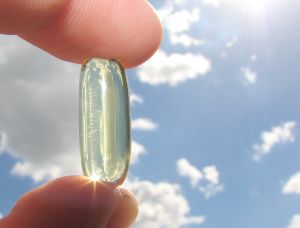
Dr. Don & The Plant-Based Pharmacist - Vitamin D

Vitamin D - The Sunshine Vitamin
Dr. Don Wagner invited me to join him on his radio show once again! He's such a pleasure to work with and I'm always grateful to get the opportunity to do his show. This time we breakdown the topic of vitamin D and its role in maintaining excellent health.

As you may or may not know I'm one of the few pharmacists in the field of conventional medicine who's not a fan of pills whether they're obtained via the prescription pad or from buying them over-the-counter. I believe America has a pill obsession and it's only making our health worse. Instead I focus on educating others on the benefits of plant-based nutrition and lifestyle medicine which is why they call me the Plant-Based Pharmacist.

With that being said vitamin D is one of the few supplements/medications I feel everyone should seriously consider taking but only if their levels are low. Dr. Don and I do our very best to get to the bottom of this topic in the segment below as we provide some key insights into the world of vitamin D as it pertains to achieving a state of optimal health. I hope you find the show enjoyable and helpful!


Dr. Don show archive - Vitamin D from 2/16/2012


Photo credit: OBMonkey (sxu.hu)

If you like what you see here then you'll LOVE our daily Facebook and Twitter posts!  Also, don't forget to sign up for  Our Free Online Mailing List  to get all the latest updates from the Plant-Based Pharmacist!
by Dustin Rudolph, PharmD
Clinical Pharmacist

Check out Dustin Rudolph's book The Empty Medicine Cabinet to start your journey towards better health. This step-by-step guide leads you through many of today's common chronic diseases (heart disease, obesity, diabetes, cancer, and more), giving you the facts on foods versus medications in treating these medical conditions. The book also contains an easy-to-follow guide on how to adopt a whole foods, plant-based diet as a part of an overall lifestyle change, producing the best possible health outcomes for you and your family. Hurry and get your copy today!

We'd love for you to join us in spreading the good word about plant-based nutrition and lifestyle medicine by telling your family and friends about our website at www.PlantBasedPharmacist.com. 

Share and rate this post below or tell us what you think by posting a comment. Thank you again for stopping by and until next time... be happy, be healthy, and live the life you've always dreamed of!

Saturday, February 25, 2012

Eating Clean

Clean eating begins with colorful eating
Clean eating has become a trend in the past few years. A simple definition of clean eating is building a diet around whole, unprocessed foods: fresh fruits and vegetables, complex carbohydrates, whole grains and lean proteins. Clean eating will require you to change the way you shop, as well as the way you see food in general. It doesn’t mean, however, that you’re stuck eating bean sprouts and wheatgrass. Here are five quick tips that can help you eat clean and enjoy every bite you take.

Proteins: Think outside the box

The Standard American Diet has changed drastically over the past few decades: a timeline published by the New York Times shows how industrialization has made foods full of refined sugars and fats cheap and widely available. The modern feedlot method has also made meat cheap to produce and buy, which means that American eaters tend to build meals around high-fat animal proteins.

Monday, February 20, 2012

Functional Medicine - The Future Is Now In 21st Century Medicine

Dr. Mark Hyman isn't one of those doctors who's eager to pass out pills and procedures like candy when patients come to see him for their medical problems. He doesn't care about "labeling" a set of symptoms just so people can finally put a name to whatever they're suffering from. He wants to do more than just this.

He wants to get to the root cause of his patient's problems. Instead of taking a backwards approach to treating diseases by throwing more drugs at them he takes a forward thinking approach of finding the underlying cause of these diseases and then targets those issues to better the lives of his patients. He practices what is known as Functional Medicine and hopes to help both patients and doctors view health and disease from a different perspective. This perspective focuses on long term solutions instead of short term relief from a medicine cabinet full of prescriptions.

He shares his personal story of discovering this new vision of what healthcare should look like in his speech at TEDMED 2010. His insights into the management of the emotional, mental, and physical wellbeing of a human being gives hope that one day our current medical system may finally realize that our conventional ways of compartmentalized thinking are outdated and in need of a major overhaul. The body is a whole system of interconnected parts that all affect one another. More pills are not the answer. More understanding and knowledge about this systemic approach is.


Photo credit: Editorjp (Wikimedia Commons)

If you like what you see here then you'll LOVE our daily Facebook and Twitter posts!  Also, don't forget to sign up for  Our Free Online Mailing List  to get all the latest updates from the Plant-Based Pharmacist!
by Dustin Rudolph, PharmD
Clinical Pharmacist

Check out Dustin Rudolph's book The Empty Medicine Cabinet to start your journey towards better health. This step-by-step guide leads you through many of today's common chronic diseases (heart disease, obesity, diabetes, cancer, and more), giving you the facts on foods versus medications in treating these medical conditions. The book also contains an easy-to-follow guide on how to adopt a whole foods, plant-based diet as a part of an overall lifestyle change, producing the best possible health outcomes for you and your family. Hurry and get your copy today!

We'd love for you to join us in spreading the good word about plant-based nutrition and lifestyle medicine by telling your family and friends about our website at www.PlantBasedPharmacist.com. 

Share and rate this post below or tell us what you think by posting a comment. Thank you again for stopping by and until next time... be happy, be healthy, and live the life you've always dreamed of!

Thursday, February 16, 2012

10 Tips for Making a Plant-Based Diet Affordable

Plant-based diets revolve around produce and whole foods, with little to no nutrients coming from animals. For those who know where to find the nutrients they need, this does not pose a problem. Plants can provide all of the nutrients people need to remain healthy and disease free. Because whole foods are sometimes more expensive than highly processed foods, it may take a little research to make vegan or vegetarian diets affordable. The following tips can help lower your grocery bill when implementing this healthy lifestyle.

1. Grow as much of your food as possible 

Growing and preserving fruits and vegetables can drastically cut down the cost of buying fresh from the produce section of the store. Frozen and canned foods maintain much of their nutritive value and you are sure of what they contain. There are no additives and preservatives that you don't know about.

2. Buy in bulk when you can 

Many times, a store will offer a promo code or coupon for a percentage off if a specific amount is purchased. Buying large quantities and storing it yourself can prevent unnecessary trips to the store.

3. For convenient pre-packaged foods, try shopping online 

These companies may also offer coupons or discounts if you decide to purchase their products in bulk. Online coupons can also be redeemed for extra savings.

Wednesday, February 8, 2012

Whole Perspective

Burger and fries - "SAD" diet of the past
by guest blogger Joseph Baker

I was raised on a Midwestern diet of hamburgers, French fries and frothing glasses of ice-cold milk. I once tried to go vegetarian. I gave up that weekend, when a friend unknowingly made me a steak dinner, causing me to promptly cave on my resolutions to eat healthier. This "meat and potatoes" attitude followed me throughout college, until last winter.

I was working out at the gym, and my trainer noticed that I was congested and unable to draw a full, deep breath without coughing. After questioning me about my diet, he recommended that I cut dairy completely out. I started to notice a difference within a week—namely, I felt less sluggish and congested. After researching the negative side effects of dairy, I stopped consuming dairy altogether, except the rare snack of cheese.

Monday, February 6, 2012

Vitamin B12 Supplements At A Glance

by guest blogger Boris Washington


What Is Vitamin B12 And Its Functions


Vitamin B12 is one of the most valuable vitamins in the Vitamin B complex. It plays an important role in the functioning of the brain and nervous system, production of proteins and red blood cells. Vitamin B12 is a water soluble vitamin and for that reason our body can’t store too much vitamin B12. This is why we have to take care of our vitamin B12 levels.

Who Should Take Supplements?


The best way to obtain the necessary doses of vitamin B12 is from food, but there are cases when people need to take supplements. This can happen either because they can’t absorb vitamin B12 from food due to some intestinal problems or diseases or because they don’t consume meat or dairy products. Accordingly, there are several groups of people who may experience vitamin B12 deficiency and need to take supplements:
  • older people
  • those who lack intrinsic factor protein
  • strict vegetarians
  • people affected with pernicious anemia
  • people who use medications to reduce stomach acid

Tuesday, January 31, 2012

How To Feel Vitamin "D"errific!

Vitamin D, also known as the sunshine vitamin, has become nothing short of a celebrity over the past few years. In fact, you would be hard pressed to find any doctor, pharmacist, or other healthcare practitioner who hasn't heard of all the health benefits it has to offer. From its role in making strong, healthy bones to improving heart health to decreasing the risk of cancer it seems as though there's nothing vitamin D can't touch.

This brings to mind several questions. Is vitamin D the new miracle pill, or is it simply a passing fad benefiting the bottom line of those with clever marketing skills selling supplements? And if vitamin D is really as prolific as they say it is then does everyone need to take it or just a particular segment of the population? How much is too little? Too much? Is it better to get vitamin D in the form of a pill or from the sun?

I hope to answer these questions and more as I sort through the vitamin D maze of confusion to offer practical, reliable, and evidenced-based information on exactly what you need to know about this new superstar of the supplement world.

What Is Vitamin D And How Does It Work?

Vitamin D is not a vitamin at all but rather a prohormone produced when the skin gets adequate amounts of exposure to ultraviolet B (UVB) rays from the sun [1]. The vitamin D produced by our skin is called vitamin D₃ or cholecalciferol [2]. Cholecalciferol is transported from our skin to the liver where it's metabolized into calcidiol, also known as 25(OH)D. Think of calcidiol as the storage form of vitamin D in our body, much the same way that a large amount of propane acts as the storage form of fuel inside a large holding tank ready and waiting to run various appliances inside a person's home. The propane cannot be used when stored inside the tank but without this supply a person cannot run the appliances located in their home when they need to. Calcidiol is the same, it needs to be converted into a usable form in order to be utilized by our body.

Monday, January 23, 2012

Whole Health

by guest blogger Joseph Baker

Whole health starts with fresh fruits and vegetables
For many, eating healthy is little more than a New Year's Resolution that is quickly broken each year.  Indeed, in our hustle and bustle world, it is quite easy to get caught up in a cycle of eating out, or eating meals that aren't nutritious, and this is the death knell to any healthy diet. Additionally, if you go into something planning to only make moderate changes, then the likelihood of success is minimal at best.  Instead of taking such a short-sighted approach, it is best to completely overhaul your eating habits.
Plant-based nutrition has long been viewed as a healthier alternative to the traditional diet of animal-based products (meat and dairy). In addition to lowering your risk for coronary artery disease (CAD) and other chronic diseases, a plant-based diet that is rich in whole grains, fruits and vegetables has been shown to have an inverse association with all-cause mortality.
Making such a drastic lifestyle change may be out of reach for some. Due to the prohibitive costs of whole foods and quality produce, many shy away from a plant-based diet. More and more sites are springing up on the Internet that offer deals, making these changes a little more affordable, but many would say that more can and should be done on the retailers' end to ensure that eating healthy is feasible for everyone, not just those who can afford it.